
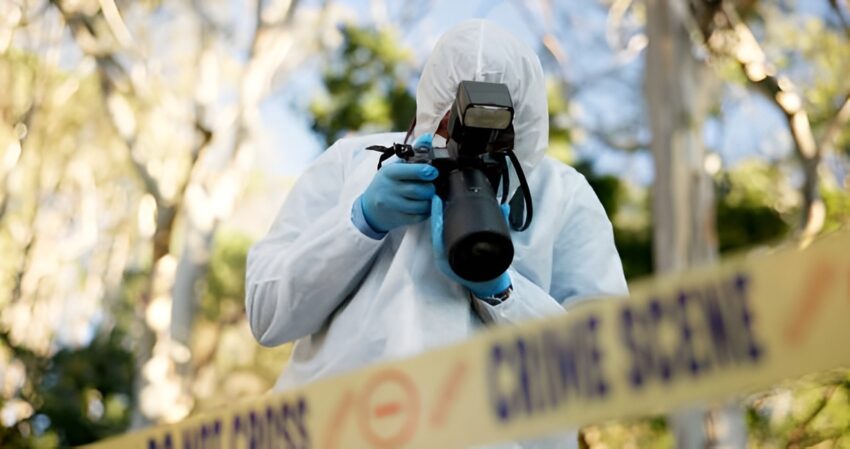
When a crime happens, investigators collect many types of evidence. Witness statements, physical objects, and expert reports all play important roles. But one of the most powerful tools used in solving cases is crime scene photography. Photos taken at the scene can make the difference between justice being served and a case falling apart. In fact, courts rely heavily on crime scene photographs to ensure accuracy, fairness, and transparency.
This article explains why crime scene photography matters so much in court, how it is used during trials, and why accuracy and professionalism are crucial in this field.
Preserving the Scene Forever
The first and most important role of crime scene photography is to preserve the scene exactly as it was found. A crime scene can change quickly. Weather, movement, or even time can alter how evidence looks. Once the scene is cleaned or tampered with, investigators cannot go back.
High-quality crime scene photographs act like a permanent record. They allow judges, lawyers, and jurors to see the scene long after the incident happened. Without these photos, it would be impossible to recreate the moment with full accuracy.
Supporting Witness Testimony
Witnesses often describe what they saw during a crime, but memory is not always reliable. Stress, fear, or time can change how people recall details. This is where crime scene photography plays a key role.
When witnesses testify in court, crime scene photographs can back up their statements. For example, if someone says they saw a broken window, a photo of that exact window at the scene adds strong support to their claim. The combination of human testimony and visual evidence makes the case stronger.
Showing Evidence Clearly
Not everyone in court can visit the crime scene. Judges, lawyers, and especially jurors depend on visuals to understand what happened. Crime scene photography bridges that gap.
Good photos highlight important evidence such as footprints, blood stains, or weapons. Wide shots show the full environment, while close-up shots capture small but critical details. Together, these images make it easier for everyone in the courtroom to understand the layout, scale, and placement of evidence.
Preventing Misinterpretation
Words alone can sometimes be unclear. If a police officer says a knife was “near the bed,” the word “near” could mean different things to different people. A photo, however, shows the exact distance and angle, leaving no room for confusion.
This precision is why courts place such high value on crime scene photography. It reduces misunderstandings, prevents misleading arguments, and ensures that everyone is looking at the same facts.
Strengthening Legal Arguments
For prosecutors, crime scene photos can make their case stronger. They use these images to walk jurors through the crime step by step. Defense lawyers also rely on photographs, sometimes to challenge the accuracy of the investigation.
Either way, crime scene photography is central to the legal process. Without it, both sides would have to depend only on written notes or spoken words, which are far less reliable.

Meeting Strict Court Standards
It’s important to note that not all photographs are automatically accepted in court. For crime scene photography to be valid, it must follow strict rules. Photos need to be clear, unedited, and taken in a professional way. Any sign of manipulation can make the evidence unusable.
Courts also require proper documentation. Investigators must show when, where, and how each photo was taken. This ensures that the images truly reflect the crime scene and have not been altered or misrepresented.
Training and Professionalism Matter
Taking good crime scene photos is not as simple as pointing and shooting a camera. Investigators receive specialized training to capture every angle, use the right lighting, and maintain accuracy. A poorly taken photo can weaken a case instead of strengthening it.
This is why police departments and forensic teams treat crime scene photography as a professional skill. Careful attention to detail ensures that evidence holds up in court and contributes to justice.
Real-Life Impact in Court
There have been many cases where crime scene photographs became the most important evidence. For example, photos of footprints or blood patterns have helped juries understand how a crime was committed. Sometimes, these images provide clarity when witness statements are conflicting.
In other cases, crime scene photography has prevented wrongful convictions. If a photo shows that evidence was placed differently than described, it can save an innocent person from being punished unfairly.
Final Thoughts
At first, crime scene photos might just look like ordinary pictures. But in reality, crime scene photography is one of the most powerful forms of evidence in court. It preserves the truth, supports witness testimony, clarifies details, and ensures fairness in the legal process.
Without it, many cases would be left open to confusion and doubt. With it, courts gain a reliable, visual record that helps bring justice. That’s why crime scene photography is not just important, it’s essential.