
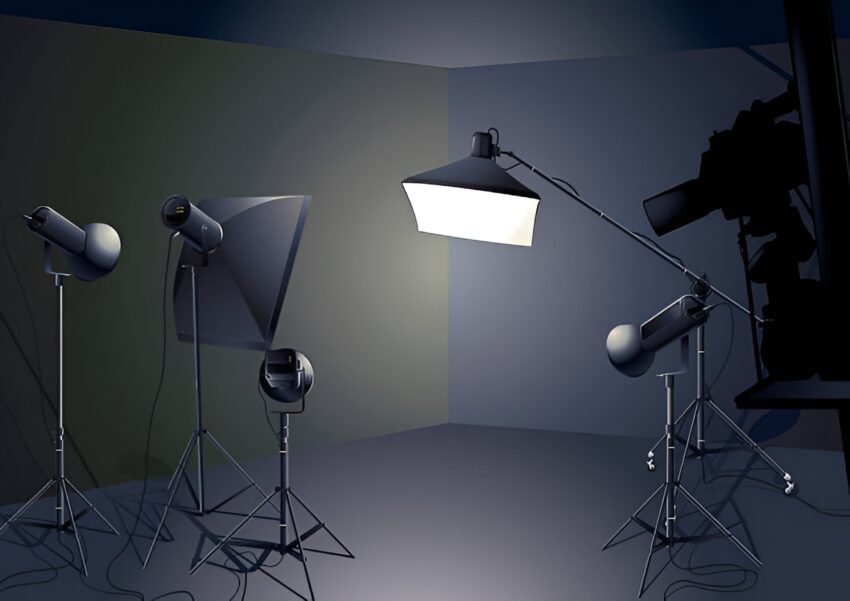
Capturing beautiful indoor photos can be challenging without the right lighting. Even the best camera may struggle to produce clear and vibrant images in dim or unevenly lit spaces. This is why understanding indoor lighting tips for clear photos is essential for photographers of all skill levels. By mastering how to use natural light, artificial sources, and proper positioning, you can dramatically improve the clarity, depth, and overall quality of your indoor photography.
Understanding the Basics of Indoor Lighting
Why Lighting Matters
Lighting is one of the most crucial factors in photography, directly impacting image quality. Properly applied indoor lighting tips for clear photos can enhance details, reduce noise, and create a natural look. The direction, intensity, and color temperature of light determine how your subject appears, whether it’s a person, product, or still life setup.
Natural light is often the easiest and most flattering source. Positioning your subject near windows or open spaces allows soft, diffused light to illuminate the scene. On the other hand, artificial lighting such as LED panels or desk lamps can help when natural light is insufficient. Combining these sources intelligently forms the foundation of effective indoor lighting tips for clear photos.
Choosing the Right Light Sources
Selecting the right lighting is key to achieving clarity and sharpness in your images. Soft, diffused light tends to produce more flattering and professional results compared to harsh, direct light. Lamps with adjustable brightness or diffusers help control shadows and prevent overexposure. Following indoor lighting tips for clear photos ensures that the final image highlights your subject while maintaining a balanced, natural look.
Consider the color temperature of your lights. Warm light may create a cozy atmosphere, while cooler tones highlight details and textures. By experimenting with these options, you can enhance the mood of your photos and improve overall quality. This is why color control is a major part of indoor lighting tips for clear photos.
Positioning and Angles for Better Results
The Impact of Light Placement
The placement of your lights can drastically affect the outcome of your photos. Front lighting illuminates the subject evenly but can sometimes appear flat. Side lighting adds depth and dimension, while backlighting can create dramatic silhouettes or highlight contours. Understanding these effects is a crucial aspect of indoor lighting tips for clear photos.
Adjusting camera angles relative to the light source also matters. Shooting slightly above or at eye level can enhance details and reduce shadows on your subject. Proper positioning ensures that your indoor photos look crisp, professional, and visually appealing.
Using Reflectors and Diffusers
Reflectors and diffusers are essential tools for indoor photography. Reflectors bounce existing light back onto the subject, filling in shadows and creating a balanced look. Diffusers soften harsh light from lamps or flash, preventing glare and overexposed areas. Incorporating these techniques into indoor lighting tips for clear photos helps achieve a polished and professional finish.
Even simple household items like white sheets or mirrors can serve as effective reflectors, making it easy to apply these tips without expensive equipment. Small adjustments can significantly improve photo quality while keeping the setup practical and accessible.
Balancing Ambient and Artificial Light
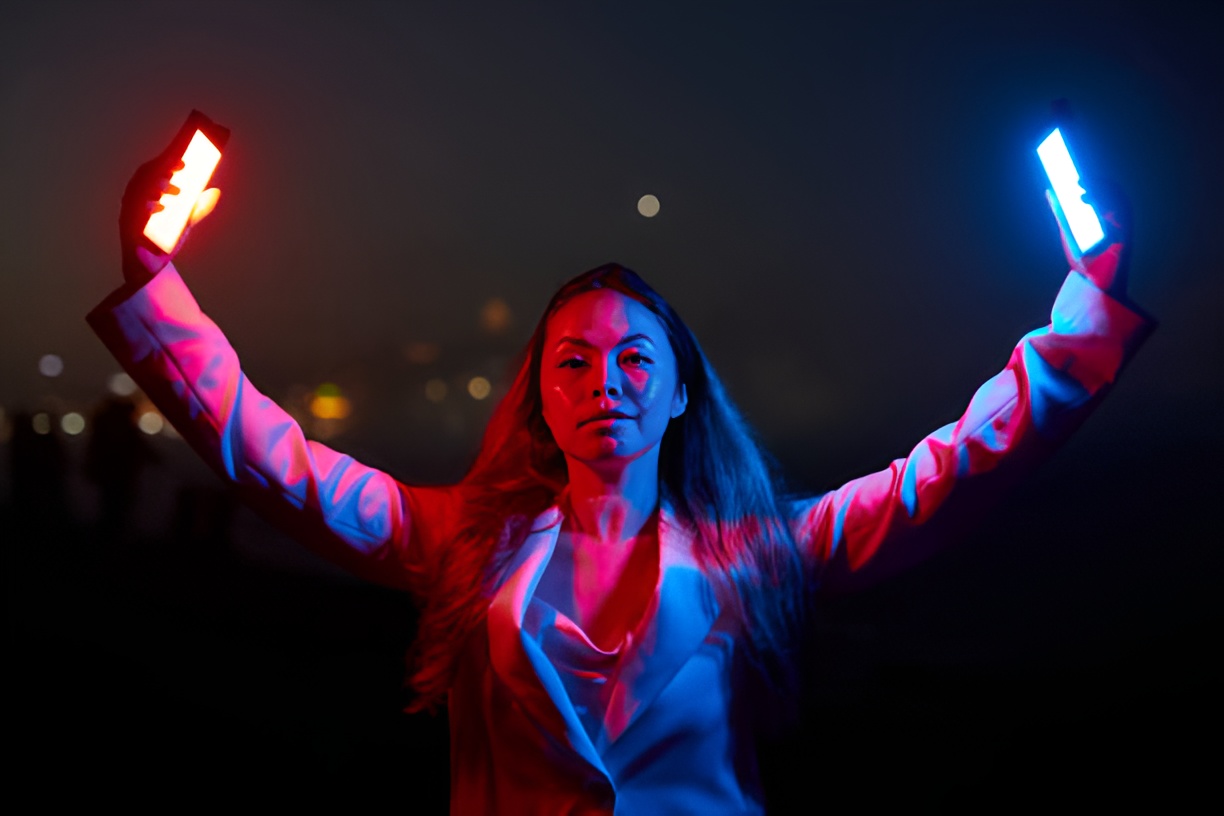
Indoor photography often involves mixed lighting sources. Balancing natural and artificial light ensures that the image does not appear too warm, cool, or uneven. Adjusting brightness, white balance, and contrast allows you to maintain clarity and accurate color representation. These considerations are essential in indoor lighting tips for clear photos, especially when shooting in rooms with multiple light sources.
Controlling reflections and glare is another critical factor. Avoid placing strong lights directly behind reflective surfaces, and angle your lights to minimize unwanted highlights. This attention to detail ensures that your indoor photos remain sharp, clear, and visually appealing.
Practical Setup Ideas
Creating a reliable indoor setup can save time and consistently improve results. Position your primary light source at a 45-degree angle from your subject for soft, natural illumination. Supplement with side lights or reflectors to fill shadows and maintain even brightness. Using consistent lighting setups allows you to replicate professional-quality results in various indoor spaces, applying indoor lighting tips for clear photos efficiently.
Experimenting with height, distance, and direction of light sources also plays a role in refining your setup. Adjusting these elements based on the subject and desired mood helps produce clear, high-quality images every time.
Post-Processing and Fine-Tuning
While capturing clear images starts with proper lighting, minor post-processing adjustments can enhance the final result. Editing software allows you to correct exposure, adjust white balance, and refine sharpness. Applying these techniques complements indoor lighting tips for clear photos, ensuring that the final image looks polished and professional.
Balancing light and color during post-processing can make indoor photos appear vibrant and natural, even in challenging lighting conditions. Combining practical lighting techniques with digital adjustments provides the best outcome for any indoor photography project.
Conclusion
Mastering indoor lighting tips for clear photos is essential for creating sharp, vibrant, and professional images in any indoor environment. By understanding light sources, positioning, reflectors, and practical setups, photographers can significantly enhance the quality of their work. Coupled with post-processing techniques, these tips ensure that every photo captures the subject clearly, with depth and visual appeal. Whether for personal projects, social media content, or professional photography, implementing these strategies makes indoor photography both accessible and rewarding.