
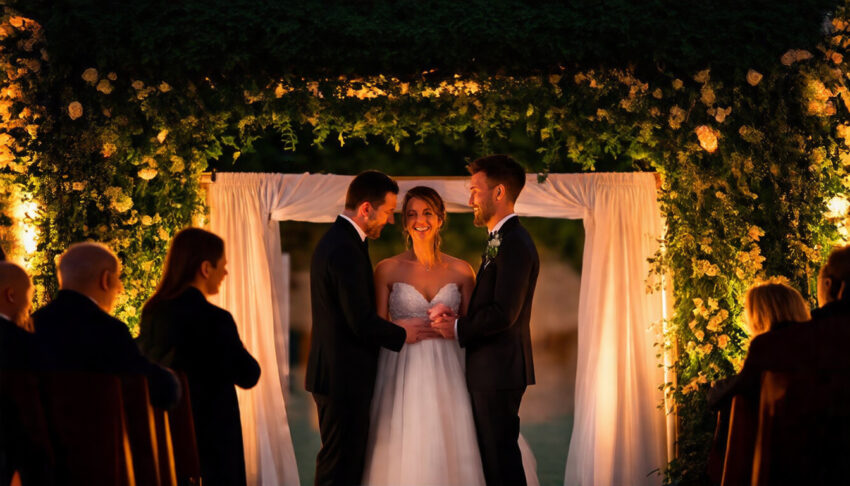
Wedding photography is more than just a collection of images; it is a visual narrative that tells the unique love story of two individuals embarking on a remarkable journey together. Capturing the emotions, intricacies, and beauty of these moments is of paramount importance, as these photographs become cherished memories for years to come. The skillful integration of artistry, technical prowess, and a deep understanding of personal preferences sets the foundation for exceptional wedding photography. This ultimate guide will explore the multifaceted aspects of wedding photography, from selecting the ideal photographer to preparing for the big day, providing you with the essential tools to ensure that your love story is beautifully and authentically documented.
Key Takeaways
- Wedding photography is crucial for immortalizing your love story.
- Selecting the right photographer can significantly impact the quality of your wedding photos.
- Preparation and communication with your photographer enhance the shooting experience.
- Stay informed about the latest styles and trends to choose the best theme for your wedding photos.
- Editing is essential for preserving the beauty of your moments, so invest in quality post-processing.
Understanding the Importance of Wedding Photography
Wedding photography transforms one of the most significant days in a couple’s life into an artistic narrative, capturing emotions, details, and moments that might otherwise fade with time. This genre is not merely about producing images; it is about weaving a visual story that encapsulates love, hope, and commitment. Each frame serves as a tangible memory, allowing couples to relive the intricacies of their wedding day—from the fleeting glances to the grand celebrations. Understanding the importance of wedding photography goes beyond just technical skills; it involves an appreciation for human connection, the nuances of relationships, and the ability to anticipate and capture authentic moments as they unfold. In essence, wedding photography plays a pivotal role not only in documenting the day’s events but also in preserving the emotional essence of the occasion, providing a timeless tribute to love.
Choosing the Right Wedding Photographer
# Choosing the Right Wedding Photographer
In the tactile world of wedding photography, the choices you make can define the narrative of your special day. Selecting the right wedding photographer transcends mere aesthetics; it entails finding someone who can capture the emotion, joy, and intricate details that comprise the essence of your celebration. When considering potential photographers, it is essential to understand their style, portfolio, and approach to storytelling through images. Wedding photography can vary dramatically in tone—from photojournalistic captures that focus on candid moments to fine art styles that design each shot carefully for visual impact. Assessing these approaches can help you find a photographer whose artistic vision aligns with your ideals.
Furthermore, understanding the importance of connection is critical. A photographer’s ability to engage with you and your guests can greatly affect the outcome of your images, as comfort often leads to more genuine expressions and interactions. Set up initial meetings to gauge personality and professionalism. Ask about their process, how they handle challenges, and what sets them apart from others within the field. By fully engaging in the selection process and considering both technical skills and relational dynamics, you ensure that your choice will result in a body of work that emotionally resonates for years to come.
‘A picture is worth a thousand words, but the memories captured in wedding photography are worth a lifetime.’

Essential Tips for Capturing Stunning Wedding Moments
Capturing stunning wedding moments requires a blend of technical skill and a keen eye for storytelling. To elevate your wedding photography, consider these essential tips. First, familiarize yourself with the day’s timeline and communicate effectively with the couple and planner to anticipate key moments. Utilize natural light whenever possible; the golden hour—just before sunset—is particularly magical for romantic portraits. Experiment with different angles during the ceremony; photos taken from above or below can add depth and drama. Pay attention to candid moments, as authenticity often communicates the true essence of the celebration. In post-processing, aim for a style that enhances the emotion, whether it’s through soft hues or rich tones, while remaining true to the day’s natural beauty. Investing in quality gear and understanding your camera settings—aperture, ISO, and shutter speed—will also significantly enhance your ability to adapt to varying lighting conditions throughout the event.
Popular Wedding Photography Styles and Trends
## Popular Wedding Photography Styles and Trends
The realm of wedding photography is as diverse as the couples it celebrates, continually evolving to embrace new styles and trends that reflect personal tastes, cultural influences, and advances in technology. At its core, wedding photography serves not only to document the day’s events but also to convey the emotions and narratives woven throughout the celebration. Each style brings its own artistic flair and approach to storytelling, ensuring that couples can choose a photography style that resonates with their vision.
One of the most sought-after styles is candid or documentary-style photography, where the photographer captures genuine moments and emotions without heavy direction. This approach draws from photojournalism, focusing on spontaneity and authenticity, allowing couples and their guests to remain engaged in the moment without interruption. On the other hand, traditional wedding photography often involves posed shots with an emphasis on family groups and specific moments such as the exchanging of vows and rings.
Another emerging trend is fine art wedding photography, which emphasizes artistic expression through composition, lighting, and use of space, resulting in images that feel more like artworks than mere documentation. Couples seeking a more modern edge may gravitate towards editorial or fashion-inspired photography, which incorporates dramatic poses, unique angles, and styled setups, giving the images a polished, magazine-like quality.
As each season brings new influences, trends such as aerial drone photography and cinematic video capturing are becoming increasingly popular. Drones can provide breathtaking aerial shots of wedding venues and surrounding landscapes, adding a grandiose perspective to traditional photography.
Ultimately, the choice of style should align with a couple’s personality and the overall theme of their wedding—whether it be whimsical and informal, elegant and classic, or avant-garde and contemporary. The most memorable wedding photographs are often those that tell a story, encapsulating the couple’s feelings, the essence of the day, and the relationships that surround them.

Preparing for Your Wedding Photoshoot
## Preparing for Your Wedding Photoshoot
Planning a wedding is a multifaceted endeavor that combines love, tradition, and artistic expression. One of the crucial components of this special day is capturing its essence through wedding photography. Preparing for your wedding photoshoot goes beyond simply arranging a timeline for the day; it involves thoughtful consideration of the emotions, the story you wish to convey, and the memories you want to cherish. Therefore, it is essential to approach this task with intention and clarity. The first step in preparing for your wedding photography is to communicate your vision with your photographer. Share your ideas about the style you prefer, whether it is candid, artistic, or traditional, and discuss specific shots that resonate with you. Consider the location: whether the ceremony will take place in a grand cathedral, on a sunlit beach, or in a quaint garden, each setting offers unique opportunities for stunning imagery.
Furthermore, coordinating with your wedding planner can help ensure that the timeline allows for an ample flow of natural light, particularly for outdoor venues. Discussing the lighting conditions, such as the golden hour — just before sunset — is vital as it provides the softest and most flattering light for portraits. Another essential aspect is attire; selecting outfits that reflect your personality while also being comfortable can help you feel at ease, ensuring your genuine emotions come through in the photographs. Make time to rehearse and plan key moments such as the first look, family group shots, and special dances, as these are opportunities for harnessing the emotional storytelling inherent in wedding photography. By focusing on these elements, you can ensure that your wedding photos will not only document your day but also convey the love and joy that defined it.
Editing and Preserving Your Wedding Memories
# Editing and Preserving Your Wedding Memories
Wedding photography is not just about capturing moments; it is also about preserving memories in a way that tells the unique story of a couple’s most cherished day. Once the event has passed and the excitement subsides, the role of the photographer transitions from image-taking to image-editing and memory-preserving. This aspect of wedding photography is crucial, as it transforms raw images into polished memories that evoke emotions and narrate an unforgettable love story.
The process of editing wedding photos involves several steps, each serving a purpose in enhancing the narrative of the day. Initially, photographers must select the best shots from hundreds, if not thousands, of images taken during the event. This includes candid moments, formal portraits, and the myriad details that make each wedding unique — from the bridal bouquet to the reception decor.
Once the selection is made, photographers utilize various editing techniques to ensure that each image reflects the emotions and atmosphere of the day. Basic adjustments include correcting exposure levels, color balance, and sharpening details. More advanced techniques might involve retouching — smoothing skin tones while maintaining a natural appearance, adjusting backgrounds, or applying filters for a specific aesthetic.
Storytelling through editing can also be seen in the way photos are sequenced. A well-curated photo album often follows the timeline of the event, guiding viewers through the ceremony, the vows, and the celebration that follows. This chronological flow helps to convey the excitement, joy, and emotional highs and lows experienced by both the couple and their guests.
To preserve these wedding memories, photographers often offer physical products like beautifully crafted albums, prints, and digital files. Each format has its significance; while albums allow couples to physically turn the pages and relive their day, digital files provide the convenience of sharing and preserving memories online. Furthermore, creating a backup of all images is critical — both for safeguarding against loss and for ensuring that couples can enjoy their memories for years to come.
In the age of digital technology, wedding photography editing also allows for creativity in presenting the day’s narrative. Photographers may incorporate artistic styles — such as vintage toning or contemporary black and white edits — which can transport viewers back in time or provide a fresh, modern feel.
In this way, editing and preserving wedding memories is not merely a technical requirement; it is an integral part of the storytelling process that allows couples to hold onto and share their special day in a beautiful, impactful way.
Frequently Asked Questions
Why is wedding photography important?
Wedding photography is crucial as it captures the special moments and emotions of your big day, preserving memories that you and your loved ones can cherish for years to come.
How do I choose the right wedding photographer?
To choose the right photographer, consider their portfolio, photography style, reviews from past clients, and your budget. It’s also important to meet with them to ensure a good personal connection.
What tips can help me capture stunning wedding moments?
To capture stunning moments, communicate with your photographer about the timeline of events, have a shot list ready, and make sure to enjoy the day without stressing too much about the photos.
What are some popular wedding photography styles?
Popular wedding photography styles include traditional, candid, fine art, documentary, and vintage. Each style has its unique approach to capturing the essence of your wedding.
How should I prepare for my wedding photoshoot?
Prepare for your wedding photoshoot by discussing locations, lighting, and important family members with your photographer. Additionally, consider scheduling a pre-wedding shoot to help you feel comfortable in front of the camera.