
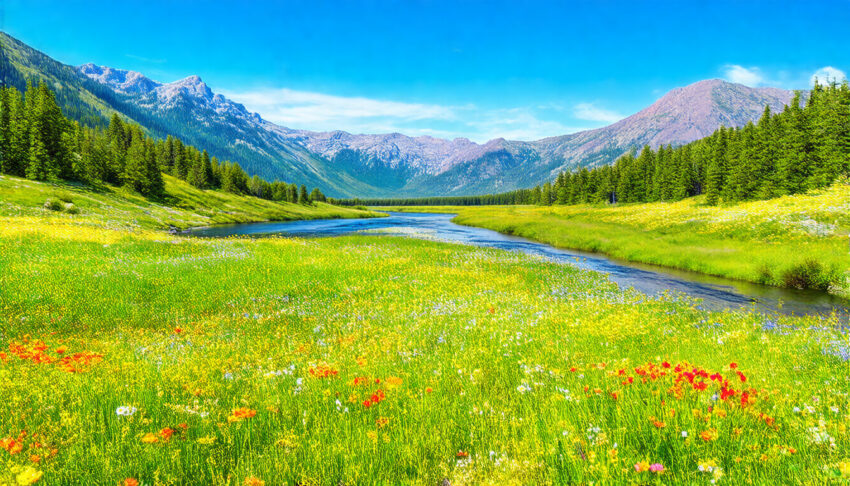
Nature photography is a captivating genre that not only celebrates the beauty of the natural world but also serves as a tool for storytelling and connection to the environment. It invites photographers to immerse themselves in the wild, capturing fleeting moments of beauty, power, and serenity. As a discipline, it combines artistic vision with practical skills, requiring an understanding of gear, techniques, and the nuances of light and composition. This comprehensive guide aims to equip both novice and experienced photographers with the knowledge and inspiration to strengthen their nature photography skills, explore diverse environments, and create stunning visual narratives of the world’s landscapes and wildlife.
Key Takeaways
- Selecting the right gear and equipment is crucial for capturing stunning nature photographs.
- Understanding natural light can significantly enhance your photography skills and timing.
- Creative composition techniques, along with established rules, can elevate the impact of your images.
- Exploring various environments, like forests and mountains, offers unique opportunities and challenges in nature photography.
- Post-processing techniques are essential for enhancing your images and building a compelling portfolio.
The Essentials of Nature Photography: Gear and Equipment
In the realm of nature photography, selecting the right gear and equipment is essential, as it significantly influences the quality of your images and your ability to capture fleeting moments in the wild. First and foremost, a reliable camera is crucial. While professional DSLRs remain a popular choice due to their versatility and image quality, many enthusiasts are discovering the proficiency of mirrorless cameras, which offer compact designs with effective autofocus systems that are advantageous in dynamic environments. A versatile lens selection is equally important, typically including wide-angle lenses for expansive landscapes, macro lenses for intricate details, and telephoto lenses to capture wildlife from a distance without disturbing their natural habitat. Additionally, a sturdy tripod can dramatically enhance stability, particularly in low-light settings or when using long exposure techniques to convey the movement of water or clouds. Lastly, consider protective gear, such as weather-sealed camera bags and lens filters, to safeguard your equipment against the elements while preserving the clarity and color in your photographs. By assembling the right combination of equipment tailored to your shooting style and the environment you are exploring, you set the stage for a successful nature photography experience.
Understanding Natural Light: Timing and Techniques
Understanding natural light is an essential part of nature photography, shaping not only the aesthetic quality of a photograph but also the emotional resonance it carries. Timing is crucial; the golden hour—the period shortly after sunrise or before sunset—provides soft, warm light that enhances colors and textures in the landscape. During these hours, the sun is low on the horizon, casting beautiful shadows and illuminating subjects in a way that feels almost ethereal. Moreover, cloud cover can act as a natural diffuser, softening harsh sunlight and reducing contrast, which is perfect for photographing delicate flowers or detailed foliage.
Techniques for harnessing natural light include adjusting the angle of your camera or shifting your position to capture the light at different angles, which can dramatically change the mood of the image. Shooting into the light can create silhouettes and interesting backlit effects, allowing for a more abstract interpretation of your subject. Consider also using reflectors or natural elements to bounce light onto your subject, enhancing highlights and bringing out details that may otherwise go unnoticed. Understanding the importance of timing and the various techniques available empowers photographers to create compelling narratives and rich visual storytelling through the lens of nature.
‘In every walk with nature one receives far more than he seeks.’ – John Muir

Composing Your Shots: Rules and Creative Approaches
Composing your shots in nature photography is both an art and a science that transcends mere representation of the outdoors. While rules like the Rule of Thirds or leading lines provide a solid foundation for capturing captivating images, successful nature photography often flourishes when these guidelines are creatively interpreted or even broken. This approach encourages photographers to engage with their surroundings in a more profound way, encouraging a keen observation of how natural elements interact with one another and the light that defines them. For instance, when composing a landscape shot, instead of centering the horizon, consider positioning it along the upper or lower third of your frame, allowing the sky or land to dominate in a balanced yet dynamic manner. Experimenting with foreground elements—whether it be a sweeping field of wildflowers, a meandering stream, or an intricately shaped rock—can create depth and draw the viewer’s eye into the scene. There’s also value in exploring negative space; sometimes, less is more, and embracing open areas can allow for greater focus on a singular subject, like a solitary tree or a mountain peak. Ultimately, the joy of composing shots in nature photography lies in the ability to capture a visual narrative that resonates emotionally, inviting viewers to experience the tranquility, beauty, or even chaos of the natural world.
Exploring Different Environments: From Forests to Mountains
Nature photography is an exploration of life in the wild, a visual storytelling medium that captures the intrinsic beauty of our planet. This field transcends mere documentation; it invites viewers into the heart of diverse ecosystems, from the whispering leaves of lush forests to the craggy peaks of majestic mountains. The engagement with different environments presents photographers with unique challenges and opportunities, each landscape offering a distinctive palette of textures, colors, and moods.
Forests, alive with the songs of birds and the gentle rustle of leaves, provide a rich tapestry of shadows and light, beckoning photographers to delve into patterns created by branches reaching for the sky and sunlight filtering through green canopies. Conversely, mountains stand as timeless sentinels, their rugged profiles and breathtaking vistas a call for adventure that inspires awe and introspection. In each environment, photographers must harness their technical skills—adjusting camera settings to capture variances in light, mastering composition to emphasize depth, and embracing the subtle changes in atmosphere that different times of day can bring.
This journey through nature not only serves as a practice of technique but also offers an authentic way to connect with the world, encouraging photographers to convey their personal experiences and emotions through their imagery. Through this lens, nature photography emerges as both a form of artistry and a powerful means of environmental advocacy, inspiring viewers to appreciate and preserve the natural wonders that continue to shape our lives.

Post-Processing Techniques: Enhancing Your Nature Images
Post-processing is a critical step in the nature photography workflow, allowing photographers to enhance their images in ways that reflect their artistic vision and the beauty of the natural world. After capturing a scene, the raw image often contains immense potential that can be unlocked through thoughtful editing. Techniques such as adjusting exposure to bring out the details in highlights and shadows, enhancing colors to make the scene more vibrant, and applying sharpening to highlight textures can all breathe new life into a nature photograph. Understanding the tonal range is essential; for instance, the use of curves can help achieve a balanced histogram. Furthermore, utilizing software tools for noise reduction can be pivotal in maintaining the clarity of images captured in low light. A careful eye on composition during the post-processing phase is equally important. Cropping can help eliminate distracting elements and center the viewer’s focus on the subject matter. Additionally, learning to use local adjustments, such as brushes or graduated filters, allows for targeted enhancements that can draw attention to specific areas of an image, emphasizing the intricate details of a flower petal or the subtle patterns on a bird’s feather. Ultimately, post-processing in nature photography is not just about correction; it is a form of digital painting that allows for storytelling and the conveyance of emotions lofted by nature’s beauty.
Building a Portfolio: Showcasing Your Nature Photography
### Building a Portfolio: Showcasing Your Nature Photography
Creating a compelling portfolio is essential for any nature photographer looking to establish their presence in the competitive photography landscape. A well-curated portfolio not only showcases your technical skills but also reflects your unique artistic vision and the stories you wish to communicate through your images. When assembling your nature photography portfolio, consider the diversity of your subjects, the variety of techniques you employ, and the emotional resonance of your work. Begin by selecting a cohesive theme or narrative thread that ties your images together, whether it be the serene beauty of forests, the majestic scale of mountains, or the intricate details of flora and fauna. Curate images that highlight the changing seasons, showcasing how light and weather can transform the same landscape into diverse interpretations. Aim for a balance of wide shots that capture the grandeur of the environment, as well as intimate close-ups that reveal the delicate beauty of nature’s details. Additionally, keep your audience in mind—each photograph should speak to their emotions and transport them into the scene. Use a simple layout to ensure that your work is the focal point, providing context with thoughtful captions while avoiding clutter that could distract from the imagery. Regularly update your portfolio with new works to reflect your evolving style and skill set, ensuring that it feels fresh and engaging. Ultimately, your portfolio should resonate with viewers, inviting them to experience the beauty of nature through your lens.
Frequently Asked Questions
What gear do I need to get started with nature photography?
To get started with nature photography, you’ll need a camera (DSLR or mirrorless recommended), a versatile lens (like a zoom lens), a sturdy tripod, and possibly filters (such as polarizing filters). Additionally, having extra batteries and memory cards can be very helpful.
What is the best time of day for nature photography?
The best times for nature photography are during the golden hours—shortly after sunrise and before sunset—when the light is soft and warm, creating beautiful contrasts and highlights in your images.
How do I compose a great nature photograph?
Composing a great nature photograph involves following the rule of thirds, leading lines, and framing your subject properly. Don’t be afraid to experiment with different angles and perspectives to find the most compelling composition.
What types of environments can I photograph in nature?
You can explore various environments for nature photography, including forests, mountains, wetlands, deserts, and beaches. Each environment offers unique subjects and lighting conditions.
How can I enhance my nature images after taking them?
Post-processing techniques can significantly enhance your nature images. You can use software like Adobe Lightroom or Photoshop to adjust exposure, contrast, colors, and sharpness. Additionally, cropping can help improve composition and remove distractions.