
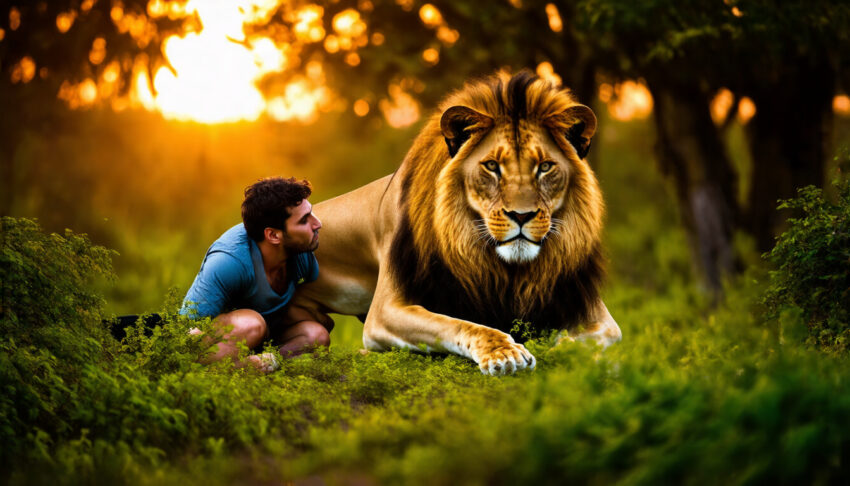
Wildlife photography is not merely a technical pursuit; it is a profound exploration of the relationship between the photographer and the natural world. By capturing images of animals in their habitats, we can foster a deeper understanding of wildlife and evoke emotional responses from our audience. The act of freezing a moment in time—whether it be an eagle soaring through the sky or a lion lounging in the savannah—invites viewers to contemplate nature’s beauty and fragility. This guide is designed to equip both novice and experienced photographers with the necessary techniques and ethical considerations needed to excel in wildlife photography, transforming our observations of this vibrant world into stunning visual narratives.
Key Takeaways
- Understanding animal behavior is crucial for successful wildlife photography.
- Investing in the right gear enhances your ability to capture stunning wildlife images.
- Mastering camera settings can significantly improve the quality of your wildlife photographs.
- Proper composition techniques can make your wildlife shots more impactful and visually appealing.
- Adhering to ethical practices ensures both your safety and the well-being of wildlife while photographing.
Understanding Wildlife Behavior
Wildlife photography transcends mere documentation of animals in their natural habitats; it is an art form that requires an acute awareness of wildlife behavior. Understanding this behavior is crucial not only for capturing compelling images but also for fostering a connection between the viewer and the subject. Observing the nuances of animal actions can lead to stunning photographs that convey emotion and narrative. For instance, noticing the subtle cues of a deer in the early morning light can help a photographer predict its movements, allowing for an ideal shot just as it springs into action. By immersing oneself in the animal’s environment and studying their social interactions, feeding habits, and response to stimuli, a wildlife photographer can create stories through images that resonate on both a poetic and emotional level. This understanding not only enhances the technical execution of wildlife photography but also imbues the art with a deeper significance, transforming each frame into a powerful narrative of life in the wild.
Essential Gear for Wildlife Photography
When embarking on the journey of wildlife photography, having the right gear is crucial to ensure not only technical success but also the ability to connect with nature. The first piece of equipment that comes to mind is a suitable camera body. A DSLR or mirrorless camera with fast autofocus and good low-light performance can significantly improve your chances of capturing sharp images of animals in varying lighting conditions.
Next, lens choice plays a fundamental role in wildlife photography. Telephoto lenses, typically in the range of 200mm to 600mm, allow photographers to maintain a safe and ethical distance from wildlife while still capturing striking images with impressive detail. Consider prime lenses for ultimate sharpness, or zoom lenses for flexibility in framing your shots.
In addition to these core components, a sturdy tripod or monopod becomes essential for stability, especially in low-light situations or when using heavy lenses. This support can counteract the natural shakes from longer focal lengths, resulting in sharper images.
Don’t overlook the importance of protective gear too, such as a weather-sealed camera bag or rain cover, as wildlife photography often involves unpredictable environments. Filters, such as polarizers, can help enhance colors and contrast, while extra batteries and memory cards are essential for longer excursions. Lastly, the right clothing and footwear can affect your comfort and success in the field, allowing you to stay focused on capturing the remarkable moments of wildlife.
‘In every walk with nature one receives far more than he seeks.’ – John Muir

Camera Settings for Capturing Wildlife
When it comes to wildlife photography, the right camera settings are crucial for capturing the fleeting moments of animals in their natural habitat. The ever-changing conditions of outdoor environments require a versatile approach to settings. Begin with setting your camera to Shutter Priority mode, which allows you to control the shutter speed while the camera automatically adjusts the aperture for the best exposure. A fast shutter speed—at least 1/1000th of a second—is often necessary to freeze motion, especially with fast-moving subjects like birds or running mammals. Additionally, increase your ISO sensitivity to allow for quicker shutter speeds in low-light situations, but be cautious of noise; aim for a balance that maintains image quality.
When composing your shot, keep in mind the rule of thirds, placing your subject off-center to create a more dynamic image. Use a wide aperture (f/4 or f/5.6) to achieve a shallow depth of field, which beautifully blurs the background and emphasizes your subject. Utilizing continuous autofocus (AI Servo for Canon or AF-C for Nikon) is vital for tracking moving subjects, ensuring that they remain sharp while you capture their actions. In summary, understanding and thoughtfully adjusting your camera settings can significantly enhance your wildlife photography, allowing you to portray the majesty of animals in a breathtaking and compelling way.
Techniques for Composing Stunning Shots
In the realm of wildlife photography, composition is not merely about arranging elements within the frame; it is an art form that requires understanding both the subject and its environment. Effective composition can transform an ordinary shot into a breathtaking portrayal of the natural world. One of the most critical techniques is the rule of thirds, which involves dividing the image into nine equal parts with two horizontal and two vertical lines. Positioning the focal point of your subject along these lines can create a more dynamic and engaging photograph. Additionally, consider leading lines, which guide the viewer’s eye toward the subject, enhancing the sense of depth and movement.
Another technique is framing through natural elements like tree branches or foliage, which can help isolate the subject and add context to the scene. Using negative space judiciously can also emphasize your subject by allowing the surroundings to breathe, drawing attention inward rather than cluttering the frame. Moreover, varying your perspective by crouching to ground level or finding a higher vantage point can reveal unexpected angles and create a more intimate connection with the wildlife you are photographing.
Finally, patience is essential in wildlife photography; waiting for the right moment can be the difference between a snapshot and a stunning visual narrative. These compositional techniques, when employed thoughtfully, can tell a story that resonates emotionally, capturing not just an image, but the essence of the wild.

Post-Processing Tips for Wildlife Images
### Post-Processing Tips for Wildlife Images
When it comes to wildlife photography, capturing the perfect shot in the field is only part of the process; post-processing plays a crucial role in enhancing the final image. Wildlife, often found in unpredictable environments, can present challenges in terms of light, color, and detail. Therefore, mastering post-processing techniques not only improves your images but can also help convey the emotion and story behind the moment you captured. Here are some valuable tips for post-processing wildlife images:
1. Adjust Exposure and Contrast: Wildlife photography often occurs in varying light conditions. Start by adjusting the exposure to ensure that details in both highlights and shadows are visible. Use the curves tool to refine contrast, making the subject pop against the background, which can highlight the animal’s features and create a more dynamic image.
2. Color Correction: Check for any color casts, especially in images taken in shaded or overcast lighting. Use the white balance tool to correct any inaccuracies, ensuring that the colors appear natural and vibrant. Enhancing specific colors can also add to the mood; for instance, emphasizing earthy tones can convey a more natural, wild ambiance.
3. Sharpening: Applying appropriate sharpening can enhance details in your wildlife images, crucial for showcasing fur, feathers, and other textures. Be cautious not to over-sharpen, as this can introduce noise and artifacts that detract from the image’s overall quality. Apply sharpening selectively, using masking techniques to protect smoother areas, like backgrounds or out-of-focus areas.
4. Noise Reduction: Wildlife photos can sometimes exhibit noise, especially those taken at high ISO settings. Use noise reduction tools to smooth out graininess without sacrificing detail. Be mindful that excessive noise reduction can lead to loss of sharpness, so refine this step through local adjustments where necessary.
5. Cropping and Composition: Use cropping to improve composition, eliminating distractions and focusing on your subject. Ensure that the animal is well-placed within the frame according to the rule of thirds, while also considering the flow of the image to guide the viewer’s eye naturally.
6. Dodge and Burn: Use dodging and burning to subtly lighten or darken areas of the photograph, which can help to add depth and dimension. By selectively brightening the subject or shadows, you can create a more compelling focal point and draw the viewer’s attention to critical elements in the image.
7. Final Touches: After adjustments, consider adding a slight vignette to guide attention toward the center of the image. This technique can effectively draw emphasis to your wildlife subject by creating a soft fading out of the background.
Ethics and Safety in Wildlife Photography
Wildlife photography is a captivating pursuit that offers photographers a unique opportunity to connect visually and emotionally with the natural world. However, the beauty of capturing animals in their habitats is coupled with significant ethical and safety challenges that must be addressed. Ethical considerations in wildlife photography revolve primarily around the impact of human presence on animal behavior and welfare. Photographers must prioritize the animals’ well-being, avoiding practices that disturb their natural routines or expose them to danger. This involves understanding the species they are photographing, respecting their space, and adhering to wildlife protection laws. Safety is equally paramount, as untamed animals can exhibit unpredictable behavior, especially when they feel threatened. Photographers must be aware of their surroundings, choose appropriate locations, and ensure they are equipped with the necessary skills and equipment to safely document wildlife without putting themselves or the animals at risk. By balancing artistic ambition with a commitment to ethical practices and personal safety, wildlife photographers can contribute to the appreciation of nature while minimizing their impact on these vulnerable beings.
Frequently Asked Questions
What is wildlife photography?
Wildlife photography is a genre of photography that aims to document animals in their natural habitats. It combines artistic expression with an understanding of wildlife behavior and the environment.
What gear do I need to get started in wildlife photography?
Essential gear includes a DSLR or mirrorless camera, a telephoto lens (preferably 300mm or longer), a sturdy tripod, and weather-proof clothing. Additional accessories like neutral density filters, extra batteries, and memory cards are also recommended.
What camera settings should I use for wildlife photography?
Common camera settings for wildlife photography include a fast shutter speed (1/500s or faster), a wide aperture (f/4 or lower) for good background blur, and a high ISO to accommodate varying light conditions. Always shoot in RAW format for better post-processing flexibility.
How can I improve my wildlife photography composition?
To improve composition, use the rule of thirds, leading lines, and frames within the frame. Always be mindful of the background, and try to capture animals engaging in natural behaviors to create compelling images.
What are some ethical considerations in wildlife photography?
Ethical wildlife photography emphasizes minimal disturbance to animals and their habitats. Always respect wildlife and follow local guidelines, ensuring you do not compromise their safety or well-being for a photograph.