
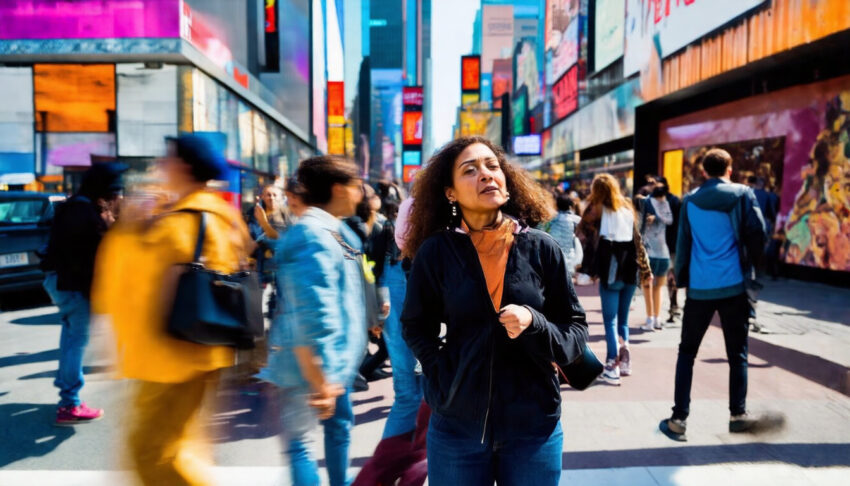
Street photography is more than simply walking the streets with a camera; it is an exploration of life as it unfolds in public spaces. Capturing candid moments and the vibrant tapestry of human interactions, street photography tells compelling stories that resonate with emotions and reflect society. It blends technical prowess with an artistic vision, inviting photographers to immerse themselves in the dynamic and unpredictable environment around them. This art form has grown in popularity, allowing photographers of all skill levels to connect with the world around them while developing their unique voices. In this guide, we will delve into various aspects of street photography—outlining essential gear, techniques for capturing motion, the significance of composition, ethical considerations, and tips for post-processing—to equip you with the knowledge and confidence to master this evocative genre.
Key Takeaways
- Street photography is about capturing candid moments of life in urban settings.
- Essential gear includes a fast lens and a lightweight camera for mobility.
- Techniques such as panning and shooting in burst mode can help capture motion effectively.
- Composition and framing are crucial to conveying a story in your shots.
- Respecting privacy and understanding ethical considerations are vital in street photography.
Understanding Street Photography: An Overview
Street photography refers to the spontaneous capture of everyday moments in public spaces, portraying the life and environment of urban settings. This genre of photography aims to document ordinary people engaged in everyday activities, revealing the beauty and complexity of human interactions within the cityscape. From bustling markets to quiet alleyways, street photography serves as a mirror reflecting societal dynamics, cultural nuances, and the transient nature of life. It often seeks to convey strong narratives through candid moments, inviting viewers to engage with the stories hidden within each frame. In this sense, street photography is not merely about freezing a moment in time but rather about celebrating the vibrancy of life – urban surroundings teeming with emotions, challenges, and stories waiting to be discovered.
Essential Gear for Street Photography
### Essential Gear for Street Photography
Street photography is as much about the spontaneous moments as it is about the gear that captures them. When you step onto the urban canvas, your choice of equipment can significantly influence your photographic outcomes. A well-thought-out setup not only enhances your ability to capture fleeting moments but also allows you to adapt to varying lighting conditions and surroundings. While the essence of street photography lies in the encounters and the stories they tell, understanding the essential gear can enhance your creative process.
#### Camera
Choosing the right camera for street photography is crucial. Many photographers opt for mirrorless or compact cameras due to their lightweight and unobtrusive nature, allowing for quick preparation and capture in bustling urban environments. A popular choice among street photographers is the Fujifilm X series, known for their exceptional image quality, retro designs, and intuitive controls. Moreover, the Canon EOS M system also provides an excellent balance between performance and compactness. It’s advisable to select a camera that feels comfortable in your hands and allows you to adjust settings swiftly.
#### Lenses
For street photography, fixed prime lenses are often preferred due to their sharpness and wider apertures, which excel in low-light conditions. A 35mm lens is a fantastic all-rounder, providing a perspective close to human vision, ideal for capturing everyday scenes. Alternatively, a 50mm lens adds versatility when you may find yourself needing to step back for a wider view or move in closer for detail. If you seek to capture more expansive environments or sweeping cityscapes, consider a wider angle, like a 24mm.
#### Accessories
Accessories such as a sturdy yet lightweight camera strap can provide additional security while on the move, allowing you to be hands-free for quick reactions. A small, portable lens cleaning cloth is beneficial as well, as urban environments can often lead to dust or smudges on your lens. An external flash can become invaluable during night shoots or in dimly lit areas, while a small camera bag with easy access is essential for carrying your gear without drawing attention.
#### Tripods and Stabilizers
While traditional tripods may not be practical for street photography due to their bulk, a flexible tripod or gimbal stabilizer can provide stability for low-light shots or when capturing subjects in motion. These tools can add depth to your images and help you compose more deliberately, though they should be used selectively to maintain the candid essence of your work.
In essence, while the heart of street photography rests in your vision and narrative skills, the right gear equips you to translate those visions into captivating images. Choose wisely, and your equipment will serve as an extension of your creative spirit.
‘The street is where life is lived, where moments unfold, and where stories are created. Capture them as they are, and you discover the poetry of the everyday.’ – Unknown
Techniques for Capturing Motion in Street Photography
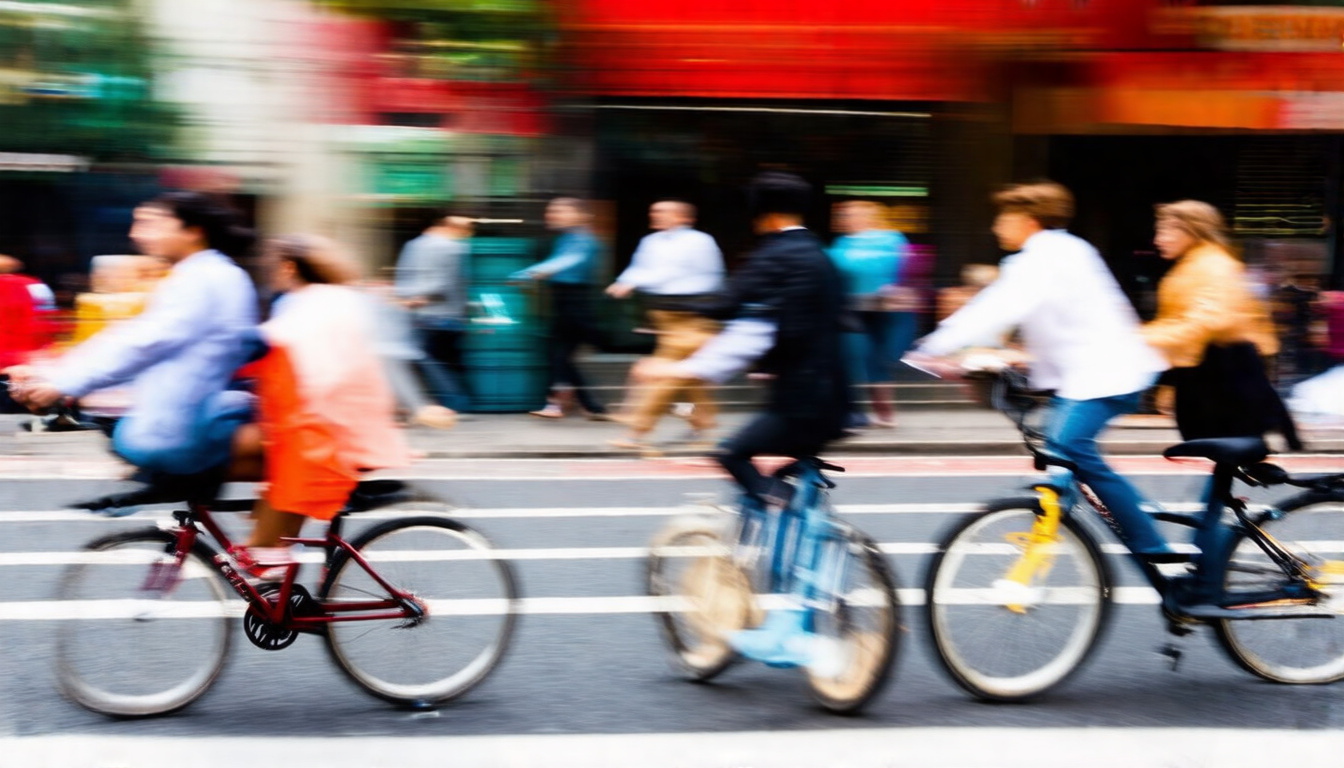
In the bustling realm of street photography, the ability to capture motion elevates images from mere snapshots into vibrant narratives filled with life and energy. To convey motion effectively, street photographers must harness a variety of techniques that not only freeze actions but also communicate the dynamic essence of urban life. One fundamental approach is utilizing a slower shutter speed to blur the movement of subjects while keeping the surrounding environment sharp. This technique invites viewers into the scene, allowing them to feel the chaos and urgency that often accompanies city streets. Conversely, panning is another powerful technique where the camera moves in sync with a moving subject, creating a sense of motion while preserving clarity in the subject itself. This juxtaposition of clarity and motion encapsulates the kinetic nature of street life. Additionally, incorporating leading lines into the composition can guide the viewer’s eye along the path of movement, enhancing the photograph’s narrative depth. To achieve these effects, it is crucial to use appropriate camera settings, such as adjusting the aperture and ISO to accommodate the lighting conditions, as well as being aware of the composition to balance movement with other elements in the frame. Mastering these techniques not only requires practice but also a keen sensitivity to spontaneous moments that can turn an ordinary scene into an extraordinary story.
The Importance of Composition and Framing
Composition and framing are fundamental elements that define the visual impact of a photograph, particularly in the realm of street photography. This genre, rooted in the spontaneity of life in urban settings, thrives on the interaction between the photographer and their environment. The importance of thoughtful composition lies in its ability to convey emotion, narrative, and context, transforming a seemingly ordinary moment into a profound story. Effective framing not only directs the viewer’s gaze toward the focal points of an image but also establishes a rhythm, tempo, and balance within the composition.
For instance, employing techniques such as the rule of thirds can help to create a harmonious relationship between various elements in the frame, imbuing the photograph with a sense of dynamism and intrigue. Alternatively, utilizing leading lines or framing through objects like doorways and windows can add depth and guide the viewer’s eyes toward the subject, enhancing the narrative quality of the shot. Thus, street photography becomes an art form that speaks not only to the subject captured but also to the skillful arrangement of elements that evoke feelings and provoke thought in the viewer.
Ethics in Street Photography: Respecting Privacy
## Ethics in Street Photography: Respecting Privacy
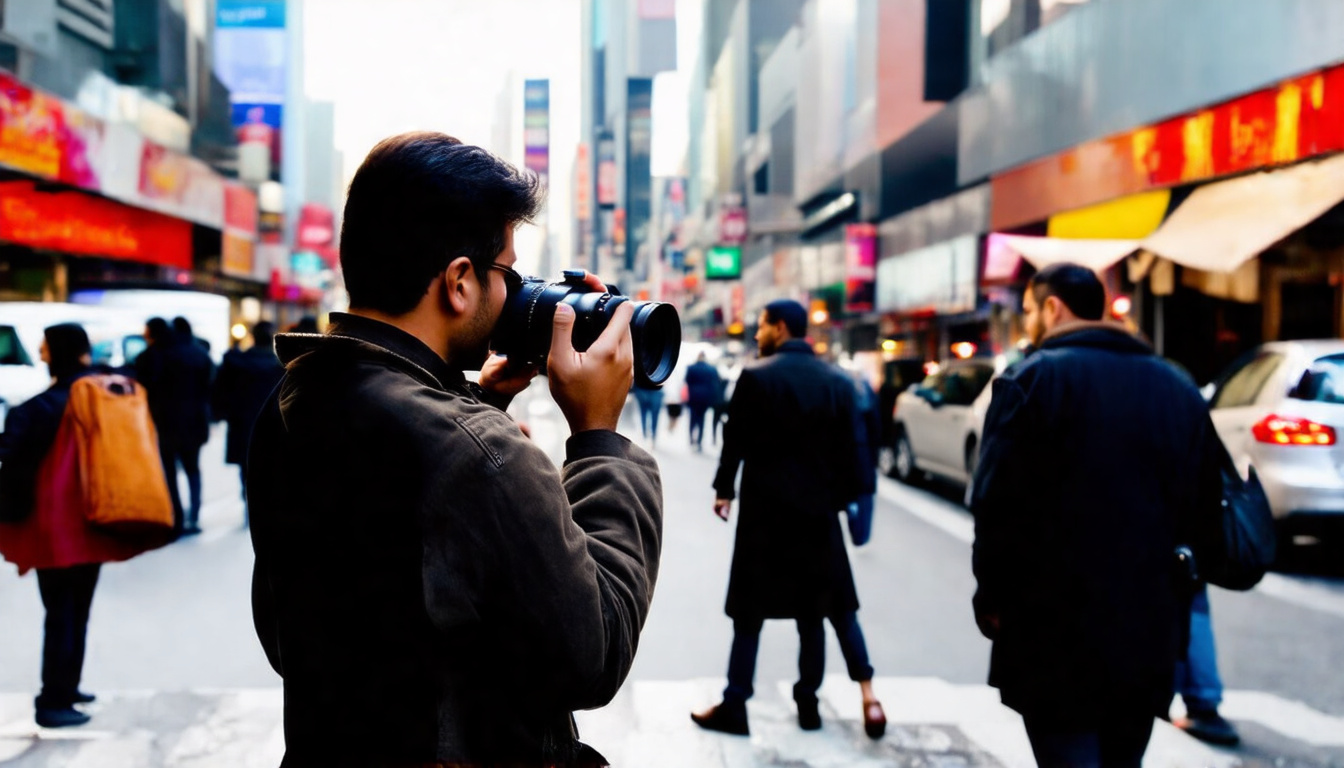
Street photography sits at a fascinating intersection of art, documentation, and the everyday. It captures the essence of urban life and spontaneous human interactions, showcasing the beauty and complexity of the world around us. However, the very nature of this genre raises pressing ethical questions, especially regarding the issue of privacy. As photographers create compelling narratives through candid images, the question arises: how do we respect the privacy of our subjects while pursuing artistic expression?
Understanding the ethical considerations of street photography is essential not only for personal integrity but also for nurturing the relationship between the photographer and the community they depict. Capturing authentic moments often requires navigating the fine line between art and intrusion. By recognizing the significance of consent, cultural differences, and the societal implications of photographing individuals without their explicit permission, photographers can forge a more harmonious connection with their environment and its inhabitants. In this section, we will explore various perspectives on privacy within street photography, ensuring that we approach our craft with both sensitivity and responsibility.
Moreover, ethical street photography practices can enrich the photographer’s narrative, allowing for deeper stories that consider the human experience in all its facets. Whether through the lens of consent, context, or cultural sensitivity, balancing the artistic pursuit with the respect of personal boundaries will not only enhance the photographer’s work but also respect the dignity of the individuals being photographed.
Post-Processing Tips for Enhancing Street Photography
Post-processing is a crucial yet often misunderstood aspect of street photography that can transform a good shot into a remarkable one. It is the stage where your creative vision can fully materialize, allowing you to emphasize the mood and narrative of your images. Here, I will outline several post-processing tips that can enhance your street photographs while maintaining their authenticity and spontaneity.
###
1. Begin with a Strong Base
Before diving into advanced editing techniques, ensure that the foundation of your photograph is strong. This means capturing well-composed, well-exposed images straight out of the camera. While post-processing can certainly fix minor errors, starting with a solid base will minimize the need for heavy adjustments.
###
2. Correct Exposure and Contrast
Street photography often involves challenging lighting conditions. Use tools like Adobe Lightroom or Photoshop to adjust exposure levels and contrast. Increase contrast to add depth to your images; this can bring out the details in shadows and highlights, which are crucial in street scenes. Be cautious, though, as overdoing it can lead to loss of detail.
###
3. Utilize Color Grading
Street photography can be greatly enhanced through thoughtful color grading. You might choose to desaturate the overall image for a timeless black-and-white aesthetic, or enhance certain colors to evoke specific emotions. Tools like split toning can add rich hues to shadows and highlights, helping to convey the atmosphere of the moment you captured.
###
4. Sharpening and Noise Reduction
Street photography often requires shooting at higher ISO settings, which can introduce noise. In your editing software, utilize noise reduction tools to smooth out these imperfections without losing too much detail. Additionally, apply sharpening judiciously to enhance the image’s clarity, particularly in areas where you want to draw the viewer’s eye.
###
5. Cropping for Composition
Post-processing is an excellent opportunity to refine compositional elements. A careful crop can enhance balance and focus, directing the viewer’s attention to the subject. Remove any distracting elements that do not contribute to the story you want to tell. However, always stay true to the original context of the photograph, as it reflects the narrative of the moment.
###
6. Dodge and Burn Techniques
Dodge and burn, a method borrowed from traditional darkroom techniques, can be effectively applied in digital post-processing. Use this technique to lighten areas that should draw attention and darken others to create depth. This subtlety can guide the viewer’s eye throughout the photograph and enhance the overall emotional impact.
###
7. Maintain Authenticity
Finally, remember that street photography thrives on authenticity. While post-processing can enhance your images, ensure you stay true to the original scene. Over-editing can detract from the raw emotion and spontaneity that make street photography compelling. Aim for a balance where the enhancements highlight the story without altering the essence of the moment.
With these post-processing tips, you can refine your street photography skills, ensuring that your images not only capture reality but also evoke the stories and emotions of urban life.
Frequently Asked Questions
What is street photography?
Street photography is a genre of photography that captures candid moments of everyday life in public spaces, often focusing on people in motion and the atmosphere around them.
What gear do I need to start street photography?
While you can use any camera, a lightweight, compact camera or a DSLR with a versatile lens is recommended. Essential accessories may include an extra battery, a lens cleaning kit, and possibly a tripod.
What techniques help in capturing motion effectively in street photography?
To capture motion, consider techniques such as panning with moving subjects, using a fast shutter speed to freeze action, or experimenting with longer exposures to convey motion blur.
How important is composition in street photography?
Composition is crucial in street photography as it helps to tell stories and directs the viewer’s attention. Key elements like the rule of thirds, leading lines, and framing can significantly enhance your images.
What ethical considerations should I keep in mind while doing street photography?
Respecting privacy is essential; always be considerate of the people you photograph. If someone asks you not to take their picture, it’s best to comply. Familiarize yourself with local laws concerning street photography as well.