
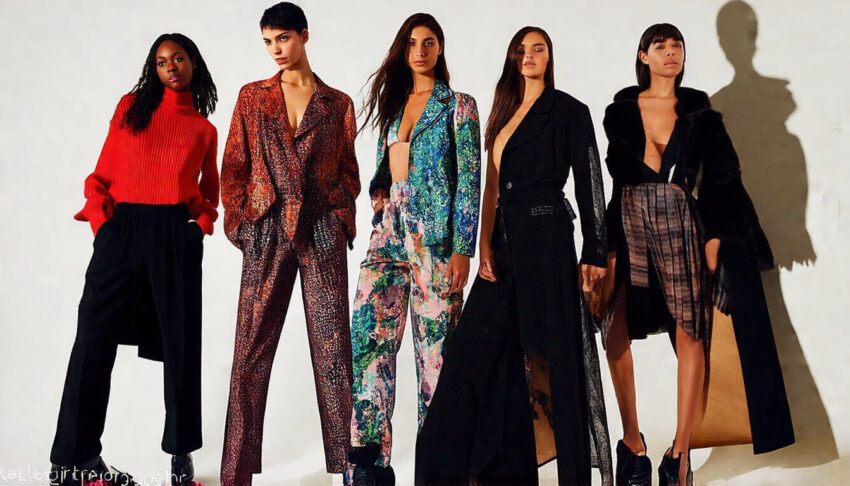
Fashion photography transcends mere documentation of clothing; it is an intricate art form that captures the essence of style, mood, and culture through visual storytelling. As the fashion industry evolves, so too does the demand for compelling images that not only showcase garments but also convey an emotional narrative to the audience. Whether you are an aspiring photographer aiming to break into the fashion scene or a seasoned professional looking to refine your skills, mastering the nuances of fashion photography is essential to success in this competitive landscape.
This article will explore ten essential tips that can help elevate your fashion photography skills. From understanding the fundamentals of this genre to technical techniques, equipment choices, and the artistic development of your personal style, each section will guide you through the intricacies of capturing striking photographs that resonate with viewers and tell a story. By the end of this piece, you will possess a well-rounded approach to fashion photography, ready to take creative leaps and visually captivate your audience.
Key Takeaways
- Master the fundamentals of fashion photography for a solid foundation.
- Utilize advanced lighting techniques to create dynamic and atmospheric shots.
- Choose the appropriate equipment that best suits your photography style and needs.
- Cultivate your unique style to differentiate your work in the competitive fashion industry.
- Learn effective posing techniques to capture models at their best and enhance your visual storytelling.
Understanding the Basics of Fashion Photography
Fashion photography serves as a dynamic intersection between visual artistry and the ever-evolving world of style. This genre of photography is not just about capturing clothing, but about telling stories through inventive imagery that evokes emotions and inspires viewers. At its core, fashion photography highlights the nuanced details of garments while simultaneously cultivating a mood or atmosphere that resonates with the audience. Understanding the basics of fashion photography involves grasping the interplay of light, composition, and the subject, as each element plays a crucial role in creating captivating images that can define trends and influence pop culture. It is a medium that thrives on creativity, demanding that photographers remain attuned to the subtleties of human expression, the intricacies of fabric, and the larger narrative that connects both.
Mastering Lighting Techniques for Stunning Shots
# Mastering Lighting Techniques for Stunning Shots
## Introduction
In the realm of fashion photography, lighting is akin to an artist’s brush—its nuances can create dramatic contrasts, soft textures, or ethereal moods, breathing life into garments and narratives. Mastering lighting techniques is not merely a technical necessity, but an artistic endeavor that allows photographers to articulate their vision. Whether through the use of natural light, studio setups, or innovative modifications, the ability to manipulate light fundamentally shapes the visual story being told. This article will guide you through the essential lighting techniques tailored for fashion photography, elucidating both practical skills and creative applications.
‘Fashion is the armor to survive the reality of everyday life.’ – Bill Cunningham

Choosing the Right Equipment for Fashion Photography
Choosing the right equipment for fashion photography is essential to capturing the vibrancy and dynamism of the fashion world. At the core, the primary tool is your camera, and while a multitude of models exists, a DSLR or mirrorless camera equipped with a full-frame sensor offers excellent performance in various lighting conditions common in fashion shoots. Pair this with a versatile selection of lenses—such as a prime 50mm for sharp portraits, a wide-angle for editorial shots, or a long telephoto lens to capture details without intruding on the model’s space. Lighting equipment, including softboxes and reflectors, will allow you to manipulate natural light or create stunning artificial lighting setups. Don’t overlook accessories such as tripods for stability during long exposures, and off-camera flash for creative effects. Finally, invest in quality editing software; post-processing is where you can blend creativity with sophistication, enhancing the visual storytelling that fashion photography embodies.
Developing Your Unique Style and Perspective
Fashion photography, at its core, is a captivating intersection of art, creativity, and commerce, where the evocative narratives of human expression meet the luxury and allure of clothing and accessories. Developing your unique style and perspective within this vibrant realm is a journey that transcends mere technical expertise; it requires an introspective exploration of your artistic voice and vision. As you embark on this personal odyssey, consider how your experiences, emotional responses, and aesthetic preferences shape your interpretations of fashion. Think about the stories you want to tell through your imagery—whether it’s the celebration of individuality, the critique of societal norms, or the joyful embrace of playfulness through color and form. Start by immersing yourself in diverse influences; study the works of legendary fashion photographers and contemporary voices alike. Experiment with various settings, lighting techniques, and post-processing styles to discover what resonates with you uniquely. Always remember, at its essence, fashion photography is not just about showcasing clothing; it’s about capturing the spirit of the moment, reflecting the culture, and presenting something that feels undeniably real to you. With patience and persistence, you will carve out a distinctive style that speaks volumes—both visually and emotionally—to your audience.

Posing Tips to Bring Your Fashion Photography to Life
### Posing Tips to Bring Your Fashion Photography to Life
When it comes to fashion photography, the way a subject is posed can significantly influence the overall aesthetic and emotional impact of an image. Fashion photography transcends mere documentation of clothing; it is a visual narrative that communicates style, mood, and personal expression. To bring the best out of your models and make your fashion shoots truly resonate, mastering the art of posing is essential.
1. Understand the Concept of Movement: Static poses can often lead to flat images, while incorporating movement can bring energy and life. Encourage your model to interact with their surroundings, incorporate gentle movements, or even take a few steps. Capturing the clothing in motion can showcase its design and versatility.
2. Angles and Body Language: Not all angles are flattering for every model. Encourage your subject to shift their weight to one leg, as this often results in a more dynamic pose. Experiment with different body angles; suggest they turn their shoulders slightly and tilt their head for an engaging line of sight. This creates a natural flow and invites viewers into the narrative.
3. Hands and Expressions: Hands can be one of the trickiest aspects of posing, often leading to awkward or unflattering positions. Encourage natural placements such as lightly resting hands on hips or gently playing with hair or clothing. Facial expressions should align with the story you want to convey, so direct your model to express emotions that match the styling and theme of the shoot.
4. Utilizing the Environment: Incorporate the surroundings into your poses. Whether it’s leaning against a wall, sitting on a step, or interacting with props, using the environment creatively can add depth to your imagery and ground the fashion within a context, enhancing storytelling.
5. Communicate and Collaborate: Establish a connection with your subject. Openly discuss the vision you have and encourage feedback. A collaborative approach often leads to more authentic poses, as subjects feel more comfortable and invested in the outcome.
By attentively directing poses, considering angles and movements, and cultivating a collaborative relationship between photographer and model, your fashion photography can evolve into a captivating storytelling medium that resonates with viewers on multiple levels.
Post-Processing: Enhancing Your Images for Maximum Impact
Fashion photography is an art form that goes beyond mere representation; it seeks to convey a narrative or an emotion through visual aesthetics. As a crucial aspect of this genre, post-processing plays a pivotal role in enhancing images for maximum impact. This stage involves the careful manipulation of photographs after the initial capture, allowing the photographer to refine the story they wish to tell, accentuating details, colors, and textures that resonate with the viewer.
In post-processing, software like Adobe Lightroom and Photoshop becomes vital tools for fashion photographers. The primary goal is to strengthen the visual appeal of the images while maintaining authenticity. This can involve adjusting lighting to create a dramatic atmosphere, enhancing colors to evoke specific feelings, or retouching elements to highlight the garments and accessories without losing the model’s natural beauty.
Developing a workflow that integrates both technical skills and artistic vision is essential. For instance, enhancing shadows and highlights can add depth and dimension, while sharpness adjustments can bring focus to key areas of the outfit. Furthermore, color grading can create a cohesive look that aligns with the brand’s identity or the season’s trends. Each image becomes a canvas where creativity meets technique, ultimately telling a unique story that captivates the audience.
Moreover, the emotional impact of post-processed images in fashion photography cannot be understated. The decisions made during this phase can evoke feelings of aspiration, nostalgia, or even rebellion, depending on the aesthetic being sought. By emphasizing particular features or employing stylistic choices like vintage filters, photographers can guide the viewers’ perceptions and reactions to the fashion being portrayed.
In summary, post-processing in fashion photography is not just about refinement; it is a critical element of visual storytelling. When executed thoughtfully, it transforms an ordinary image into a compelling narrative, inviting viewers to immerse themselves in the world of fashion.
Frequently Asked Questions
What are the basics of fashion photography?
Fashion photography focuses on clothing and other fashion items, and understanding the basics includes mastering composition, knowing your subject, and telling a story through your images.
What lighting techniques are best for fashion photography?
Natural light is often favored for its soft and flattering appearance, but studio lighting with softboxes or reflectors can create dramatic effects. Experimenting with different lighting setups will help you find what works best for your style.
What equipment do I need for fashion photography?
A good quality camera, versatile lenses (like a 50mm or 85mm), and a reliable tripod are essential. Additionally, consider investing in external flash units and different lighting tools.
How can I develop my unique style in fashion photography?
Experiment with different techniques, subjects, and genres. Take inspiration from various sources, and don’t be afraid to mix styles or incorporate elements from other artistic fields.
What are effective posing tips for fashion photography?
Encourage your models to express themselves and move naturally. Guide them to find angles that highlight the clothing, while also capturing candid, emotional moments that resonate with the viewer.