
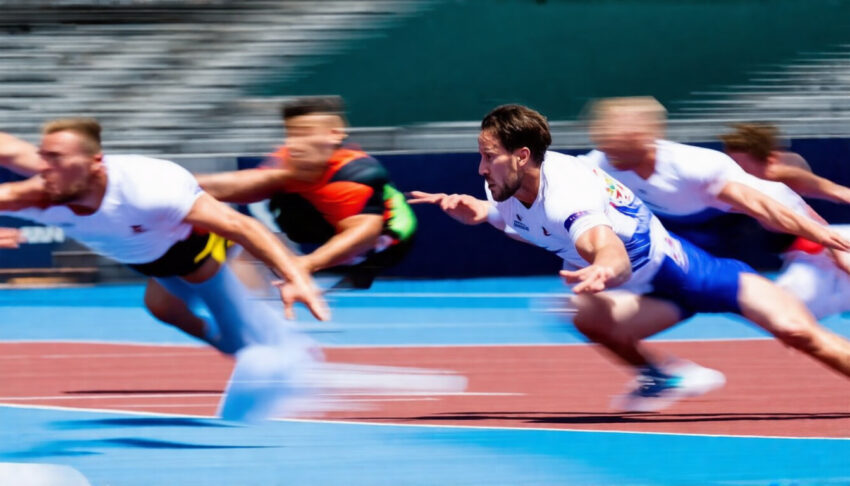
Sports photography is an exhilarating fusion of art and journalism, where the goal is to seize the intensity of live action and convey the raw emotion of athletes in their moment of triumph, defeat, or fierce competition. It requires not only a keen eye for composition and timing but also a solid understanding of the technical aspects that ensure every shot captures the unique dynamics of the sport. From the thrilling rush of a sprint to the poised concentration of a gymnast, successful sports photography is about more than just freezing a moment in time; it is about telling the story behind that moment.
In this article, we delve into the essential elements of sports photography, dissecting the fundamentals that every aspiring sports photographer should know. We will explore how to choose the right equipment tailored for action shots, master critical camera settings suited for high-paced environments, and apply techniques that capture the emotion and movement intrinsic to sports. Furthermore, we’ll discuss the importance of post-processing in bringing your images to life and provide guidance on how to effectively showcase your work through a well-crafted portfolio. Whether you are just starting or looking to refine your skills, this comprehensive guide aims to inspire and elevate your approach to sports photography.
Key Takeaways
- Master the fundamentals of sports photography to effectively capture action-packed moments.
- Select equipment that is specifically designed for high-speed shooting to enhance image quality.
- Utilize appropriate camera settings like shutter speed and continuous shooting mode for fast-paced action.
- Incorporate techniques to highlight emotion and movement, making your photos resonate with viewers.
- Edit your sports images post-shoot to enhance their overall impact and build a compelling portfolio.
Understanding the Fundamentals of Sports Photography
Sports photography captures the intensity, emotion, and dynamics of athletic events, allowing viewers to relive fleeting moments of triumph and tension. At its core, sports photography is the art of freezing action in time while conveying the energy and spirit of the sport. This genre extends beyond merely documenting events; it elucidates the emotional narratives behind the games, athletes, and their audiences. To appreciate the richness of sports photography, one must grasp the foundational elements that govern it, including timing, composition, and technical proficiency with one’s equipment. This understanding not only enhances a photographer’s technical skill set but also deepens their ability to tell compelling stories through their imagery, making the experience resonant for audiences who view the powerful moments captured.
Choosing the Right Equipment for Action Shots
When immersing yourself in the dynamic world of sports photography, selecting the appropriate equipment is crucial in capturing the essence of movement and emotion inherent to athletic competition. First and foremost, a fast and responsive camera body is essential, ideally one that can shoot at high frames per second (fps) to freeze those fleeting moments of peak action. Look for a camera with a robust autofocus system, preferably with multiple focusing points, which allows for quick adjustments as athletes move unpredictably throughout the frame.
The lens you choose is equally important; a telephoto lens with a wide aperture is typically favored in sports photography, as it enables you to shoot from a distance while still achieving crisp focus on the subject despite the depth of field. Lenses with a focal length of 70-200mm are popular for their versatility in various field sizes. Additionally, a large aperture (f/2.8 or wider) is suggested for low-light conditions, common in indoor sports or late-afternoon events.
Tripods and monopods can provide stability, particularly during longer shoot sessions, while fast, lightweight, and durable accessories like lens hoods can help reduce lens flare in bright environments. Don’t overlook the importance of extra batteries and memory cards, as the adrenaline of the action can often lead to longer shooting sessions than anticipated. In sum, a strategic selection of gear tailored to the specific sport and environment can be the difference between merely capturing an event and artistically illustrating the heart and intensity of athletic achievement.
‘Photography is the story I fail to put into words.’ – Destin Sparks

Mastering Camera Settings for Fast-Paced Environments
In the dynamic realm of sports photography, mastering camera settings is crucial for capturing the intensity of fast-paced moments. The ability to freeze action while maintaining sharpness often dictates the difference between a breathtaking image and a disappointing blur. To achieve this, photographers must prioritize shutter speed, aperture, and ISO meticulously. A shutter speed of at least 1/1000th of a second is typically recommended for most sports to mitigate motion blur, allowing you to capture the electric movements of athletes with precision. Equally important is the aperture setting, which controls the depth of field; a wider aperture (lower f-stop number) can create a beautiful background bokeh, isolating your subject, while a narrower aperture ensures more of the scene remains in focus but may require compensatory adjustments to shutter speed or ISO. Finally, the ISO setting should be flexible; in dimly lit stadiums, a higher ISO may be necessary, but be wary of introducing noise. As you prepare for the event, evaluating the lighting conditions and adjusting your settings accordingly can help you remain agile in capturing split-second action without hesitation.
Techniques for Capturing Emotion and Movement in Sports
In the dynamic world of sports photography, capturing emotion and movement is vital to conveying the intensity and passion of athletic pursuits. To achieve this, photographers often rely on specific techniques that emphasize the energy of the moment while also telling a compelling story. One fundamental technique is to use fast shutter speeds, ideally around 1/1000 of a second or faster, to freeze motion. This allows the photographer to capture athletes in the midst of action—moments of triumph, determination, and sheer effort. Equally important is understanding the composition; framing the athlete within their environment can enrich the narrative. Including elements like the crowd’s reactions or the surrounding landscape can evoke feelings of victory or defeat, enhancing the emotional impact of the image. Panning is another exciting technique that can be utilized to blur the background while keeping the subject in focus, giving a sense of speed and dynamism. Incorporating natural light to illuminate expression can also be powerful; the golden hour often delivers a warm tone that brings depth to the athletes’ faces, further drawing viewers into the story. Ultimately, the secret lies in anticipating the moment—a keen observer will often foresee a goal being scored or a record being broken, allowing them to press the shutter at just the right time, catching not only the action but also the shared joy, disappointment, and intensity that defines sports.

Post-Processing Tips for Enhancing Sports Images
# Post-Processing Tips for Enhancing Sports Images
Introduction
In the world of sports photography, capturing the decisive moment is crucial. However, the raw images obtained from the camera often require some degree of refinement to truly convey the intensity and emotion of the event. Post-processing is not simply about correcting flaws; it’s an opportunity to enhance the narrative of your sports images. With the right techniques, you can elevate your photographs from simple documentation to powerful storytelling.
## What Is Sports Photography?
Sports photography is a specialized field focused on capturing the dynamic action and emotions associated with sports and athletic events. This genre uses fast shutter speeds and unique compositions to highlight the physicality of the sport. Examples include dynamic shots of athletes in mid-action, close-ups of expressive faces, and wide angles that encompass the atmosphere of the event.
## History or Artistic Context
The practice of sports photography has evolved significantly, beginning in the 19th century when photographers captured famous athletes. Over the decades, the advancement of faster film and digital technology has allowed for sharper, more vivid images. Understanding the context of your subject is essential; capturing not only the action but also the spirit of competition transforms a simple image into a story worth telling.
## Technical Breakdown
### Camera Settings
For sports photography, setting your camera correctly is essential for ensuring sharp images. Use the following settings as a guide:
• Shutter speed: Aim for 1/1000 sec or faster to freeze motion.
• Aperture: A wide aperture (f/2.8 to f/5.6) allows for a shallow depth of field, isolating subjects from the background.
• ISO: Increase ISO (800-3200) depending on lighting conditions to maintain fast shutter speeds.
### Composition
Built-in rules like the Rule of Thirds can enhance your composition. By positioning key elements off-center, you create a more engaging image. Additionally, consider leading lines that draw the viewer’s eye towards the action.
### Lighting
Lighting can dramatically influence a sports image. Natural light is ideal, often best during golden hour. However, artificial lighting can help during indoor events, allowing for sharp, well-exposed images even in dim conditions.
## Storytelling and Emotional Impact
Every sports image has the potential to tell a story. The key is to capture not just the action but the emotion of the moment. A freeze-frame of a sports player celebrating a goal conveys a sense of triumph, while a close-up of an athlete in defeat can evoke empathy. Utilizing post-processing techniques can further enhance these emotions by adjusting contrast and color balance to highlight that which is most visually arresting.
## Step-by-Step Guide
1. Import Images: Start by importing your images into a software program such as Adobe Lightroom or Photoshop.
2. Crop and Straighten: Adjust the composition through cropping and straightening to emphasize your subject.
3. Adjust Exposure: Correct exposure if needed to ensure highlights are not blown out while shadows retain detail.
4. Enhance Colors: Use sliders to enhance vibrance and saturation, making sure not to overdo it, as natural skin tones should remain realistic.
5. Sharpen Details: Apply sharpening to bring out fine details, crucial in sports photography to highlight textures in uniforms or features on athletes’ faces.
6. Noise Reduction: If using a high ISO, apply noise reduction techniques to ensure a clean image.
7. Apply Vignetting: Consider using a slight vignette to draw attention toward the center of the action.
8. Export and Save: Export your images in the necessary format for print or web usage.
## Common Mistakes to Avoid
• Overprocessing: Enhance your images subtly. Avoid over-saturation and excessive sharpening, as these can create an unnatural look.
• Ignoring the Story: Always remember the narrative context. Focus on shots that convey emotion and significance.
• Neglecting Backup: Regularly back up your edited and raw images to avoid loss from hardware issues.
## Creative Ideas and Use Cases
Experiment with different perspectives and angles. Capture unique moments by using telephoto lenses for distant action, or wide-angle lenses to include the surrounding atmosphere of the event. Try creating a series of images that convey a sequence of moments, offering a broader narrative of a game or competition.
## Tips From Professional Photographers
• Stay Prepared: Anticipate key moments by knowing the sport and following the players’ cues.
• Practice Post-Processing: Regularly refine your editing skills to find your unique style.
• Seek Feedback: Share your images with a community for constructive criticism to improve your work.
## Frequently Asked Questions
1. What equipment is essential for sports photography?
A DSLR or mirrorless camera with a fast lens, preferably a telephoto lens, is crucial for capturing sharp images in action.
2. How can I capture fast-moving subjects without blur?
Use a fast shutter speed, high ISO, and practice panning techniques to follow the action smoothly.
3. What should I focus on during post-processing?
Pay attention to exposure, color balance, sharpness, and ensuring the image feels natural yet striking.
4. Is it easier to shoot outdoor or indoor sports?
Outdoor sports generally allow for better natural light, while indoor sports present challenges due to lower light levels, necessitating faster lens and higher ISO settings.
5. How can I convey emotion in sports photographs?
Capture close-ups of athletes’ faces during pivotal moments, focusing on their expressions of joy, pain, or concentration.
## Final Thoughts
Post-processing is an integral part of sports photography that helps capture not just the action but also the emotions inherent in the sport. By understanding and applying these techniques, you can turn an already powerful image into an evocative narrative that resonates with viewers. This art form thrives on balancing technique with creativity, allowing the story of human passion and competition to shine through your lens.
Building a Portfolio: Showcasing Your Sports Photography
### Building a Portfolio: Showcasing Your Sports Photography
Creating a compelling portfolio is essential for any sports photographer. It not only demonstrates your technical skill but also conveys your unique perspective and storytelling ability within the exhilarating world of sports. A well-curated portfolio should feature a diverse range of images that highlight various sports, moments of passion, and the intensity of competition. Each photograph should embody the essence of the sport it represents, whether it be the soaring motion of a basketball player mid-jump, the determination etched on a runner’s face, or the camaraderie found in team sports. When selecting images for your portfolio, strive for variety – include action shots, candid moments, and portraits that capture the emotions of athletes. Consider the composition and lighting used in each shot, as these elements can enhance the storytelling aspect of your work. Moreover, think about how each image flows into the next; a coherent narrative running through your collection can entice viewers and potential clients. Finally, don’t forget to feature your best work prominently at the forefront of your portfolio; this will make a lasting impression and showcase your ability to capture the heart of sports through your lens.
Frequently Asked Questions
What basic skills do I need to start sports photography?
To start sports photography, you should have a clear understanding of photography fundamentals, such as composition, exposure, and focus. Familiarity with your camera settings is also crucial, particularly in fast-paced environments.
What type of equipment is best for capturing action shots?
Invest in a DSLR or mirrorless camera with a fast autofocus system, a zoom lens with a wide aperture (such as a 70-200mm f/2.8), and consider using fast memory cards. A monopod or tripod may also be helpful for stability.
How do I set my camera for fast-paced sports?
Use a fast shutter speed (1/500s or faster) to freeze motion, select continuous shooting mode to capture multiple frames per second, and adjust your ISO to maintain a proper exposure without introducing too much noise.
What techniques can I use to convey emotion in sports photography?
Capture close-up shots of athletes’ expressions, focus on their interactions with teammates and opponents, and look for decisive moments that convey the intensity of the sport or the drama of the competition.
How can I improve my sports photography in post-processing?
Use software like Adobe Lightroom or Photoshop to adjust exposure, contrast, and sharpness. Cropping can enhance composition, while color correction can help bring out the vibrancy of the images. Don’t forget to showcase the best moments by creating a well-curated portfolio.