
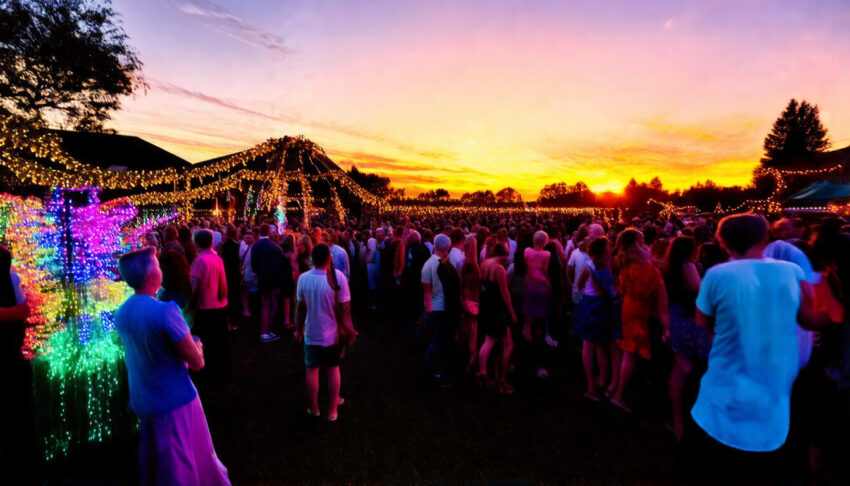
Event photography is a captivating niche that combines artistry with the dynamic nature of live moments. For photographers, this role consists of navigating bustling crowds, swiftly capturing fleeting interactions, and weaving together a visual narrative that echoes the essence of the occasion. Emphasizing the significance of anticipation and spontaneity, event photography invites us to step beyond mere documentation, encouraging us to convey emotions, relationships, and stories. In this article, we will delve deeper into the fundamentals of event photography, ensuring that your images strike a chord with your audience and stand the test of time.
Key Takeaways
- Master the fundamentals of composition and storytelling in event photography.
- Invest in high-quality lenses and gear tailored for dynamic environments.
- Utilize creative techniques like depth of field to enhance the visual impact of your shots.
- Adjust your settings to adapt to varying lighting conditions for optimal results.
- Employ effective posing strategies to bring out natural expressions and interactions among subjects.
Understanding the Basics of Event Photography
Event photography is a captivating blend of artistry and technical skill, encompassing the capturing of events ranging from personal celebrations like weddings and birthdays to corporate gatherings and public performances. At its core, event photography aims to document moments, convey emotions, and tell a story through images. This genre of photography is less about posed portraits and more about candid shots that reflect the atmosphere, interactions, and details of the occasion. In this section, we will delve into the fundamental principles of event photography, examining the key elements that constitute a successful image, such as composition, lighting, and timing. Understanding these basics will not only enhance the quality of your photographs but also enable you to narrate the unique essence of each event through your lens.
Essential Equipment for Capturing Events
Event photography is a dynamic field that requires a specific set of equipment to effectively capture the fleeting moments of any occasion, be it a wedding, corporate gathering, or a community festival. At the heart of essential equipment for event photography lies the camera. A DSLR or mirrorless camera with a fast autofocus and good low-light performance is crucial, allowing photographers to seize sharp images even in challenging lighting conditions. Additionally, various lenses play a pivotal role; a standard zoom lens (such as a 24-70mm) offers versatility, while a fast prime lens (like a 50mm or 85mm) can beautifully isolate subjects with shallow depth of field. Appropriate lighting gear cannot be overlooked; external flashes or speedlights help illuminate subjects in dimly lit venues, ensuring clarity and vibrancy. Beyond the core camera gear, accessories such as sturdy tripods, spare batteries, memory cards, and a reliable bag to carry everything are indispensable. Each piece of equipment serves to enhance the storytelling potential of event photography, transforming ordinary moments into lasting memories.
‘Photography is the story I fail to put into words.’ – Destin Sparks

Techniques for Taking Stunning Event Photos
# Techniques for Taking Stunning Event Photos
Event photography is a demanding art that merges artistic vision with technical skill. Capturing moments that resonate with emotion, tell a story, and reflect the essence of an event requires a specific set of techniques. Whether you are photographing a wedding, a corporate event, or a family gathering, your goal is to document the atmosphere while highlighting the key moments that define the experience.
## What Is Event Photography
Event photography is a genre focused on capturing the key moments of various occasions, ranging from personal celebrations like weddings and anniversaries to corporate gatherings like conferences and product launches. The main objective is to tell the story of the event through a series of impactful images.
## Technical Breakdown
1. Camera Settings
– Aperture: Use a wide aperture (f/2.8 or lower) to create beautiful background blur, isolating subjects and creating a more intimate feel in portraits. However, when you want to capture large groups or environments, adjust to a narrower aperture, such as f/8 or f/11, to ensure everyone is in focus.
– Shutter Speed: The choice of shutter speed is crucial to freeze action or capture motion. For fast-moving subjects, such as a dance floor at a wedding, use a shutter speed of at least 1/250s. For more static subjects, a slower shutter speed can be used to create a certain depth of field or a feeling of movement.
– ISO Settings: In low-light settings, like a reception hall, raising your ISO (over 800) can prevent motion blur. However, be cautious of noise; consider using flash or brighter lights to lower ISO settings for cleaner images.
2. Composition
– Rule of Thirds: Use the rule of thirds to position key elements of the frame, creating balanced and engaging photos. Placing important subjects at the intersections of the grid can draw attention in a more artistic way.
– Leading Lines: Incorporate lines from the environment—such as table edges or architectural features—to lead the viewer’s eye toward the focal point of the image.
3. Lighting
– Natural Light and Flash: When possible, harness natural light for a softer, more flattering look. However, do not hesitate to use flash for illuminating darker areas, keeping in mind to diffuse the light to avoid harsh shadows.
– Ambient Light: Capture the mood by using available light sources, such as candle lights or string lights, to add warmth and depth to your photos while keeping the scene authentic.
## Storytelling and Emotional Impact
Event photography is not merely about documenting physical occurrences; it is about conveying emotion and the story behind those moments. A great event photo can evoke nostalgia, happiness, or excitement. To achieve this, anticipate key interactions and emotions during the event. Focus on candid moments rather than posed shots to encapsulate genuine feelings.
## Step-by-Step Guide
1. Pre-Event Preparation: Familiarize yourself with the event schedule, venue layout, and key people involved. Creating a shot list can help ensure you capture all crucial moments.
2. Scout the Venue: Arrive early to explore different angles and lighting conditions. This preparation will enable you to take advantage of the surroundings dynamically.
3. Engage with the Subject: Especially in personal events, establish rapport with the attendees to make them feel comfortable. This connection will often yield more natural and engaging photos.
4. Be Ready: Always be poised for spontaneous moments. Keep your camera settings adjusted based on the current environment to avoid missing crucial shots.
5. Review and Edit: After the event, review your images carefully. Editing is where you can enhance the emotional and narrative aspect of your photographs.
## Common Mistakes to Avoid
• Overlooking Details: Small details can tell a big story, so be mindful of decorations and candid interactions.
• Poor Lighting Choices: Relying solely on direct flash can wash out your photos; utilize ambient light as much as possible.
• Ignoring the Guests: Focusing only on the primary subjects may mean missing peripheral moments that add depth to the story.
## Creative Ideas and Use Cases
• Photo Booths: Set up a photo booth with props for candid photos that engage guests and add fun to the event.
• Follow-Up Sessions: Consider offering short sessions during breaks to capture more formal portraits of attendees, enhancing the overall collection of event photography.
• Post-Event Albums: Create themed albums that tell the story of the event, focusing on different aspects like decor, guests, and special moments.
## Tips From Professional Photographers
• Always Have a Backup: Technical failures can happen. Bring an extra camera and spare batteries to avoid missing critical moments.
• Mix Wide Shots and Close-Ups: Capture both the grand scene and the small details to provide a comprehensive narrative.
• Stay Discreet: Blend into the background to capture authentic moments without interfering, which often leads to more compelling storytelling.
## Frequently Asked Questions
1. What equipment do I need for event photography?
A good quality camera, a selection of lenses (a prime lens for portraits and a zoom lens for versatility), flashes and extra batteries are essential.
2. How do I approach candid moments?
Remain unseen or engage in conversations while keeping your camera ready to capture spontaneous emotions and interactions.
3. What should I include in my shot list?
List key moments such as speeches, dances, toasts, and any specific family or group shots requested by clients.
4. How important is post-processing?
Post-processing is crucial to enhance storytelling through touch-ups, color correction, and stylistic editing that aligns with the event’s mood.
5. Can I shoot events with a smartphone?
Yes, smartphones can capture fantastic event photos, especially when you are knowledgeable about their settings and editing apps.
6. How can I stand out as an event photographer?
Develop a unique style that resonates with your artistic vision and focus on creating an experience for your clients throughout the photography process.
7. What is the best time to shoot for optimal light?
The golden hour, typically just after sunrise or before sunset, offers beautiful, soft light ideal for most types of event portraits.
8. How do I balance posed and candid shots?
Combine planned group shots with spontaneous images throughout the event to best reflect the overall narrative.
## Final Thoughts
Event photography goes beyond simply documenting a gathering; it is about weaving together the fabric of experiences, emotions, and interactions into a compelling visual story. By mastering technical skills and being present in the moment, you can create stunning event photos that clients cherish for years to come.
Working with Lighting in Event Photography
Lighting plays a crucial role in event photography, as it directly impacts the mood, clarity, and overall quality of the images captured during gatherings such as weddings, parties, or corporate events. Understanding how to manipulate natural and artificial light is essential for photographers aiming to tell a vivid story through their visuals. Natural light can create a soft, romantic ambiance, particularly in outdoor settings or during golden hour. In contrast, artificial lighting, including flash and ambient sources, can enhance colors and details in poorly lit environments. Event photographers must adapt their techniques based on the venue’s lighting conditions, whether that involves using reflectors to bounce light, figuring out the best settings on their cameras, or strategically positioning themselves to catch the optimal light. Mastering these lighting techniques not only ensures well-exposed images but also enhances the emotional impact of the photographs, allowing the viewer to feel the energy and atmosphere of the occasion.

Tips for Posing and Directing Subjects
### Tips for Posing and Directing Subjects in Event Photography
Capturing the essence of an event requires not only technical expertise but also skillful interaction with your subjects. Whether you are shooting a wedding, corporate function, or an intimate gathering, effective posing and directing can elevate your images from mere documentation to compelling visual narratives. Here are some insights to help you pose and direct your subjects in event photography effectively.
1. Establish Comfort and Rapport
Before directing your subjects, take some time to engage with them. A casual conversation can ease nerves, especially in more formal settings. The more comfortable your subjects feel, the more natural their expressions and poses will be. This rapport is vital, particularly in events where guests may not be familiar with being photographed.
2. Observe the Setting
Every venue has its own atmosphere and dynamics. Take a moment to assess how the light interacts with the environment and where natural interactions might occur. Suggested poses should be influenced by the surroundings. If your event features beautiful architectural elements or lush greenery, consider positioning guests to utilize these backgrounds effectively.
3. Use Simple Guidelines for Poses
Consider implementing a few simple guidelines for posing your subjects:
• Angles: Encourage subjects to create angles with their bodies by turning slightly sideways instead of facing the camera directly. This not only adds depth to the photo but often makes individuals appear more flattering.
• Relaxed Hands: Direct your subjects to place their hands softly on their hips or let them hang naturally by their sides. This can prevent stiff-looking poses.
• Chin Forward: Ask subjects to lean slightly forward with their chin. Not only does this create a more engaging expression, but it also avoids the common pitfalls of unflattering angles.
4. Capture Candid Moments
While posed shots have their place in event photography, the most authentic moments often arise spontaneously. Remain alert and ready to capture those fleeting expressions of joy, laughter, and connection that tell the true story of the event. Sometimes, simply stepping back and observing without interruption allows for the best candid shots.
5. Directing Group Shots
Group photos can be tricky. It is essential to maintain a good flow:
• Use levels: Create varying heights by positioning people sitting, standing, or bending slightly. This visual hierarchy can help the photo feel more dynamic.
• Arrange by height or relationship: Place shorter individuals in the front, and consider group dynamics—people who know each other will likely be more relaxed together, so encourage them to cluster accordingly.
6. Be Mindful of Clothing and Accessories
Bright clothing or shiny accessories can create unwanted distractions in photographs. Open discussions about attire before the event can prevent challenges during the shoot, so that all subjects can look their best without clashing with the event’s theme or environment.
7. Adapt and Adjust
Each event will present unique challenges, from lighting conditions to the personalities of guests. Being adaptable and responsive to feedback during the shoot is crucial. If a particular pose doesn’t seem to be resonating, be willing to pivot and try new directions.
By combining these techniques in your event photography, not only can you guide your subjects to look their best, but you can also evoke genuine emotion that tells a powerful story through your images.
Post-Processing and Editing for Event Photography
# Post-Processing and Editing for Event Photography
Understanding post-processing and editing in event photography is vital to elevate the raw captures into polished visual narratives that communicate the essence of the occasion. Event photography requires not only capturing moments as they unfold but also enhancing those images through editing techniques that emphasize emotional depth and storytelling.
## What Is Event Photography?
Event photography captures significant moments during various gatherings such as weddings, parties, concerts, and corporate functions. This genre focuses on documenting the atmosphere, emotions, and interactions between people. Each photograph tells a story, reflecting the mood and ambiance of the event.
## The Importance of Post-Processing
While shooting an event is crucial, post-processing is where the magic truly begins. This phase not only includes basic adjustments to exposure and color balance but also more creative enhancements, such as applying filters or retouching faces to achieve a polished look. A photographer’s vision is best conveyed in the editing process, where one can turn a simple snapshot into a work of art.
## Technical Breakdown of Editing for Event Photography
The editing journey typically begins with the selection of images. A successful event photographer will catalog shots based on key moments such as speeches, candid interactions, and formal portraits. After choosing the best images, the technical aspects of editing become paramount:
### Camera Settings During Capture
Using appropriate settings during the shoot can simplify the editing process:
• Shutter Speed: Use faster shutter speeds to freeze action, especially in dynamic events.
• Aperture: For portraits, a wide aperture (e.g., f/1.8 or f/2.8) isolates subjects, while a smaller aperture (e.g., f/8) brings more of the scene into focus.
• ISO: In lower lighting conditions, adjusting the ISO is crucial, but beware of introducing noise, which requires careful attention in editing.
### Editing Software and Techniques
Software such as Adobe Lightroom and Photoshop are industry standards for post-processing:
• Basic Adjustments: Correct exposure, contrast, and color balance to maintain the integrity of the scene.
• Cropping and Framing: Improve composition and draw attention to subjects.
• Retouching: Remove distractions, soften skin, or enhance features; however, keep it natural to retain authenticity.
• Creative Effects: Use presets or filters judiciously to set a mood or style, but ensure they align with the event’s theme.
## Storytelling and Emotional Impact
Post-processing is not just about making photos look good; it is about enhancing the narrative conveyed through the images. A well-edited photograph can evoke emotions—joy during a laughter-filled moment, nostalgia during a heartfelt speech, or excitement during a lively dance. Each adjustment should support the story being told, creating a cohesive visual experience that resonates with viewers.
## Step-by-Step Guide to Editing Event Photos
1. Select Your Images: Import your images into editing software and select representative shots from the event.
2. Initial Adjustments: Correct exposure, contrast, and clarity to enhance the image.
3. Crop and Align: Fine-tune composition to focus on the subjects or the main action in the frame.
4. Color Correction: Adjust white balance to reflect the true colors, especially under mixed lighting conditions.
5. Detailed Retouching: Smooth out skin conditions, remove blemishes, and adjust distracting elements or backgrounds.
6. Choose a Creative Style: Apply any final color grading or effects that enhance the overall feel of the event.
7. Export and Present: Save images in various formats for clients or social media, considering compression settings appropriate for each platform.
## Common Mistakes to Avoid
• Over-Editing: It’s tempting to apply many creative effects, but moderation is key to maintain authenticity.
• Ignoring Color Profiles: Different devices display colors differently. Understand ICC profiles for accurate color representation.
• Neglecting Backups: Always keep backups of the original images before extensive edits.
• Lack of Consistency: Strive for a uniform style across all images in a set to enhance storytelling cohesively.
## Creative Ideas and Use Cases
• Themed Filters: Create a consistent theme using specific filters that reflect the event’s mood or setting.
• Photo Albums: After editing, curate images into story-driven albums that offer a narrative arc throughout.
• Highlight Reels: Edit short highlight videos combining still images and short video clips to capture the event’s spirit effectively.
## Tips From Professional Photographers
• Take Breaks: Stepping away from the editing task helps in returning with a fresh perspective on your work.
• Collaborate: Engage with fellow photographers for feedback; different viewpoints can enhance your workflow and editing skills.
• Invest in Learning: Constantly develop your editing skills through online courses or tutorials tailored to your artistic style.
## Frequently Asked Questions
1. What software is best for editing event photos?
Adobe Lightroom and Photoshop are industry favorites; Capture One is also worth considering for its advanced color grading tools.
2. How should I manage large image files from events?
Use external drives and cloud backups to ensure your images remain safe; consider organizing files by date and event for easier access.
3. How do I maintain the mood of the event through editing?
Pay attention to lighting and color; your editing choices should mirror the event’s atmosphere, whether it was lively or intimate.
4. Is it necessary to retouch every image?
Prioritize retouching images that will be featured prominently; some candid shots can retain authenticity with minimal edits.
5. How can I improve my post-processing speed?
Create and use presets for repeated adjustments; organize your workflow to minimize time lost searching for files.
6. What is the best resolution for export?
For print, export at 300 dpi; for web sharing, 72 dpi is typically sufficient, but consider larger resolutions if images may be enlarged later.
7. How can storytelling enhance my event photography?
Focus on capturing moments that tell a story—provide context through faces, interactions, and emotions to create a rich narrative.
8. What role does mood play in post-processing?
Mood should influence your color grading and contrast choices; vibrant colors can evoke excitement, while softer tones can create a more subdued, intimate feel.
## Final Thoughts
Post-processing is an integral part of event photography that transforms raw images into evocative visual stories. By leveraging technical skills, maintaining a narrative focus, and continuously refining your editing process, you can capture not just moments, but the essence of human experience during significant events. Embrace the artistic possibilities within post-processing, and let your narrative voice shine through every image you present.
Frequently Asked Questions
What is event photography?
Event photography refers to the practice of capturing images during special occasions or events such as weddings, parties, corporate functions, and concerts. The goal is to document the experience and emotions of attendees.
What equipment do I need for event photography?
Essential equipment for event photography includes a DSLR or mirrorless camera, a range of lenses (such as wide-angle and portrait lenses), external flash, tripod, and sufficient memory cards and batteries. A good quality camera bag is also recommended for easy transport.
How can I improve my event photography techniques?
To improve your event photography, practice composition techniques like the rule of thirds, experiment with different angles, and be mindful of backgrounds. Additionally, capturing candid moments and interacting with your subjects can enhance the overall quality of your images.
What challenges come with lighting in event photography?
Lighting can be a significant challenge in event photography, especially in low-light environments. To address this, consider using a fast lens, adjusting your camera settings for higher ISO, and incorporating external flash or off-camera lighting to improve your results.
How important is post-processing in event photography?
Post-processing is crucial in event photography as it allows you to enhance images, correct exposure and color issues, and add creative touches. Software such as Adobe Lightroom or Photoshop can significantly improve the final output of your event photos.