
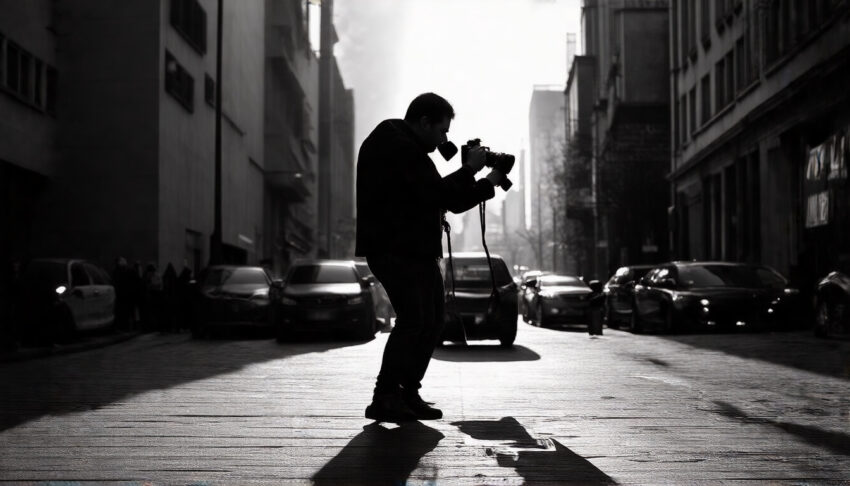
Black and white photography is a profound artistic endeavor that transcends mere representation, inviting us into a world where light, shadow, and texture evoke deep emotions. Stripped of the distractions of color, this form of photography allows for a unique exploration of tone, contrast, and composition, reinforcing the narrative power of an image. By mastering the principles of black and white photography, photographers can create visuals that speak with clarity and depth, capturing the viewer’s imagination and conveying stories loaded with complexity. In this article, we will delve into the essentials of black and white photography, from the foundational concepts and equipment needed to compositional techniques and post-processing strategies, paving the way for stunning visuals that transcend everyday experiences.
Key Takeaways
- Black and white photography emphasizes texture and contrast, making understanding its basics crucial.
- Investing in the right equipment, like filters and cameras capable of handling monochrome, enhances your black and white images.
- Effective composition techniques, such as leading lines and framing, can dramatically improve the impact of your black and white photography.
- Lighting plays a vital role in black and white photography, and mastering it can bring depth and drama to your images.
- Post-processing is essential for refining black and white photos, allowing for adjustments in contrast and clarity to achieve artistic intent.
Understanding the Basics of Black and White Photography
Black and white photography, often regarded as one of the most expressive forms of visual art, relies on a unique interplay of light, shadow, and texture to create compelling images. This technique strips away the distraction of color, allowing the viewer to focus on the fundamental elements of a photograph, such as composition and tonal contrast. In the realm of black and white photography, the absence of color invites a more profound examination of form and emotion, often evoking a sense of nostalgia or timelessness. Many iconic images from the 20th century, captured by legends like Ansel Adams and Henri Cartier-Bresson, illustrate the powerful narrative potential of monochrome images. As such, understanding the basics of black and white photography is not merely about technical execution; it is about honing the artistic eye to see the world through shades of gray, recognizing that the rich tapestry of light and shadow can speak volumes without the palette of color.
Essential Equipment for Black and White Photography
Black and white photography, with its timeless appeal, relies heavily on both technical and artistic choices to communicate emotion, texture, and contrast. The essential equipment for creating compelling black and white images hinges on understanding your tools beyond just the camera itself. First, a camera capable of manual settings is paramount—whether it’s a DSLR, mirrorless, or even a high-quality film camera, having control over shutter speed, aperture, and ISO allows for a more nuanced capture of light and shadow.
Furthermore, selecting the right lens can significantly impact the mood and detail in your images. A prime lens with a wide aperture (like a 50mm f/
1.8 or f/1.4) can produce stunning bokeh and sharp details, whereas a macro lens may be pivotal for capturing intricate textures that thrive in monochrome.
In addition to camera and lens selection, consider utilizing high-quality filters, such as polarizing or red filters, which can enhance contrast and texture in black and white images. A tripod is equally essential for stabilizing your shots in low-light environments or when experimenting with longer exposures, ensuring sharp results.
Finally, investing in software like Adobe Lightroom or Capture One is vital for post-processing, where the true artistry of black and white photography emerges through contrast adjustments, clarity enhancements, and the ability to fine-tune tonal ranges. With the right equipment in hand, you are well on your way to capturing evocative black and white photographs infused with depth and narrative.
‘Black and white photography is a great medium for expressing your artistic vision. It is simple, focused, and elegant.’ – Unknown

Composition Techniques for Stunning Black and White Images
## Composition Techniques for Stunning Black and White Images
Black and white photography is a timeless art form that strips away the distraction of color, allowing the viewer to immerse themselves in the play of light, shadows, and shapes. The composition in black and white photography not only dictates the visual balance of the image but also enhances the emotional resonance. Utilizing effective composition techniques elevates an ordinary photograph into a compelling piece of art that communicates deeper narratives and evokes powerful feelings.
One essential technique in black and white photography is the rule of thirds. By placing your point of interest at one of the intersections or along the gridlines, you create dynamic tension and draw the viewer’s eye naturally into the image. Additionally, leading lines can be particularly impactful in monochrome images. Roads, railings, or natural lines like rivers can guide the viewer’s gaze and create a sense of depth and perspective.
Furthermore, the contrast between light and dark in black and white photography is paramount. High-contrast images emphasize shapes and textures, creating striking compositions that capture attention. This can be achieved by controlling the lighting in your scene or through post-processing adjustments.
Textures play an equally crucial role. In monochrome, surfaces that might go unnoticed in color stand out, adding another layer of visual interest. For instance, the roughness of an old brick wall or the smoothness of a skin tone can evoke feelings of nostalgia or fragility.
Lastly, don’t forget about the use of space. Negative space can enhance the subject’s presence, creating a powerful statement in a minimalist style. The strategic placement of your subject amidst empty areas highlights the composition’s simplicity and elegance, making it resonate with emotion.
By incorporating these techniques—rule of thirds, leading lines, contrast, texture, and space—you can create stunning black and white images that not only capture the eye but also tell compelling stories.
Lighting Tips to Enhance Black and White Photography
Black and white photography has a unique ability to convey depth, texture, and emotion, making lighting an essential element in its execution. To enhance your black and white images, consider the direction and quality of light, focusing on how shadows can create a dramatic effect. Natural light is often a preferred choice; the soft glow of sunrise or the harsh contrasts of midday can both yield compelling results. When shooting indoors or during overcast conditions, use reflectors or diffusers to soften the light, bringing out subtle details without harsh glare. Additionally, experiment with the interplay of light and shadow to emphasize textures, especially in subjects like portraits or architectural scenes. Remember to continuously assess how light interacts with your subject—adjust your position or the time of day to achieve the desired mood and clarity in your final image.

Post-Processing Techniques for Black and White Photos
Post-processing plays a crucial role in refining black and white photography, transcending mere technical adjustments to become an artistic endeavor. Once the shot is captured, photographers can enhance their images through various software, elevating mood, contrast, and texture. Common techniques include adjusting levels and curves to manipulate tonal range, effectively drawing out deeper blacks and brighter whites, which enhances the image’s emotional depth. Selective dodging and burning can highlight specific areas, steering the viewer’s gaze and adding dimensionality. Furthermore, grain can be added to evoke a classic aesthetic reminiscent of film, promoting a sense of nostalgia. The true power of post-processing lies in its ability to transform a good photograph into one that resonates on a profound level, intimately connecting the viewer to the story being told.
Exploring Artistic Styles and Genres in Black and White Photography
# Exploring Artistic Styles and Genres in Black and White Photography
In the realm of visual storytelling, few media evoke the raw emotional depth like black and white photography. Stripped of color, this genre compels the eye to focus on contrasts, textures, and the interplay of light and shadow. It invites both the photographer and the viewer to indulge in a nuanced dialogue about emotion and mood, transcending mere representation. Throughout history, black and white photography has contributed to powerful narratives in fine art, documentary, and portraiture, emphasizing themes of human experience, vitality, resilience, and even melancholy. As we delve into the various artistic styles and genres within this evocative medium, we celebrate the timeless beauty and striking impact that black and white imagery continues to hold in contemporary photography.
Frequently Asked Questions
What are the fundamental differences between black and white photography and color photography?
Black and white photography focuses on tonal contrast, texture, and composition, allowing for a strong emotional impact without the distraction of color. It emphasizes shapes, lines, and light, while color photography often relies on hues to grab attention.
What equipment is recommended for achieving high-quality black and white images?
A DSLR or mirrorless camera is ideal for black and white photography, particularly those with good manual controls. A prime lens with a wide aperture can also enhance depth of field. Additionally, it’s useful to have a sturdy tripod and post-processing software for fine-tuning.
Can I convert color photos to black and white, or is it better to shoot in black and white mode?
While you can convert color photos to black and white in post-processing, shooting directly in black and white mode allows you to visualize the tones, contrast, and composition as you capture the image, often leading to more intentional and striking results.
What techniques can I use to improve the composition of my black and white photos?
Utilize the rule of thirds, leading lines, and framing techniques to guide the viewer’s eye. Pay attention to textures, patterns, and the relationship between light and shadow, which can create interesting dynamics within your composition.
What software is best for post-processing black and white photos?
Adobe Lightroom and Photoshop are popular choices for post-processing black and white images, as they offer extensive tools for adjusting contrast, brightness, and texture. Other options include Capture One and free software like GIMP, all of which can enhance the tonal range of your black and white photos.