
In a world that grows more diverse every day, building strong, inclusive family and community connections has never been more important. Families today come from a wide range of cultural, linguistic, and social backgrounds, each bringing unique traditions and perspectives. Creative projects offer a powerful way to bridge these differences, encouraging collaboration, understanding, and shared joy. Whether through art, storytelling, music, or group activities, creative projects can bring diverse families together, helping them celebrate their differences while finding common ground.
The Power of Creativity in Building Connections
Creativity is a universal language. No matter where people come from, artistic expression taps into emotions and experiences that transcend words. A painting, a dance, or a shared story can communicate feelings that might otherwise be hard to express.
When families engage in creative projects together, they not only learn about each other’s backgrounds but also build new memories. These activities break down barriers, promote active listening, and spark conversations that might not happen in everyday life. Creativity, therefore, becomes a tool for inclusion, helping families feel seen, valued, and connected.
Types of Creative Projects That Foster Unity
There are countless ways creative activities can bring diverse families together. Here are some project ideas that have proven especially effective:
1. Collaborative Art Murals
Working together on a mural allows families to express individual ideas while contributing to a collective masterpiece. Each family can paint a section that represents their culture, traditions, or hopes for the future. As the mural comes together, so do the families, seeing their stories visually linked with others’.
This type of project also sparks conversations about different art styles, symbols, and meanings across cultures, making it both fun and educational.
2. Family Storytelling Circles
Storytelling is a tradition shared by virtually every culture. Hosting a family storytelling event where each family shares a favorite tale whether a folktale, personal story, or historical account can create an atmosphere of respect and curiosity.
Children and adults alike love hearing stories from different parts of the world. Adding an artistic twist, such as illustrating the stories on posters or acting them out, can deepen the engagement even further.
3. Cultural Cooking Nights
Food is another powerful connector. Organizing a cooking night where each family prepares a dish from their heritage creates a feast of flavors and cultures. To add a creative element, families can also create recipe cards with drawings or short stories about why the dish is special to them.
This not only fills the room with wonderful aromas but also gives participants a deeper appreciation of each other’s backgrounds.

4. Music and Dance Workshops
Music and dance are vibrant expressions of culture. Organizing workshops where families teach simple dances or songs from their traditions encourages participation and movement. Learning each other’s dances or rhythms can be a joyful and sometimes hilarious experience that breaks the ice and builds bonds.
Children especially love these activities, and adults often discover a renewed sense of playfulness through them.
5. Family Vision Boards
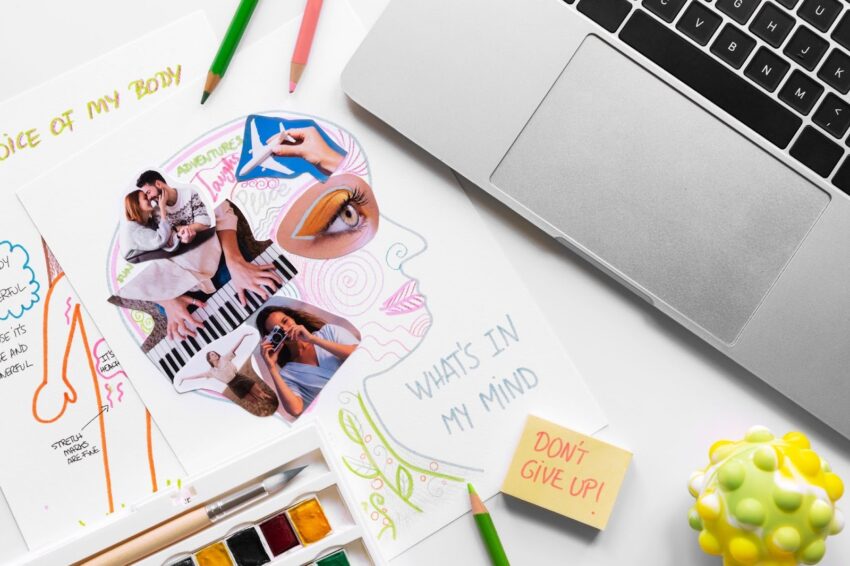
Creating vision boards allows families to visually express their dreams and aspirations. Using magazines, drawings, and crafts, each family can design a board that reflects their goals, values, and hopes.
After creating the boards, families can present them to the group, leading to meaningful discussions about shared dreams and different perspectives on success, happiness, and community.
Tips for Making Creative Projects Inclusive
While creative projects offer great opportunities for engagement, it’s important to ensure that every family feels welcome and respected. Here are a few tips for success:
- Respect Different Comfort Levels: Some families might feel shy about sharing too much personal information or cultural practices. Allow flexibility in participation and honor different boundaries.
- Use Multiple Languages: Whenever possible, incorporate different languages in signage, instructions, and materials. Visual aids and gestures can also help bridge communication gaps.
- Be Mindful of Cultural Sensitivities: Not all symbols, colors, or practices are universal. Encourage open sharing without making assumptions about what is appropriate for every culture.
- Celebrate Differences Openly: Make diversity the focus, not the background. Frame the creative project as a celebration of what makes each family unique.
Real-Life Success Stories
Across the world, community centers, schools, and cultural organizations have successfully used creative projects to bring diverse families together.
For example, a community center in Toronto hosted a “World Art Day” where families contributed pieces to a giant collaborative art exhibit. Each family’s section reflected their traditions, stories, and hopes, resulting in a colorful and deeply moving mural displayed in the center for years to come.
Similarly, a school district in California organized a “Culture Through Cuisine” event where families shared food and stories from their heritage. The event became an annual tradition, helping new immigrant families feel welcomed and connected.
These examples show that with a little planning and a lot of heart, creative projects can build bridges that last a lifetime.
Final Thoughts
Creative projects have the power to weave together the many threads of a diverse community, creating a tapestry of shared experience, respect, and joy. By painting together, telling stories, sharing meals, and dancing to each other’s music, families can move beyond surface-level interactions and build meaningful, lasting bonds.