
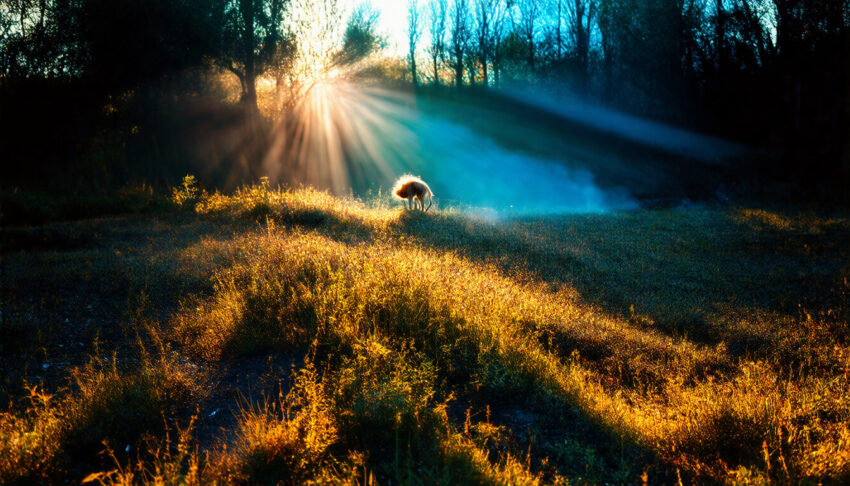
Fine art photography represents a unique intersection of technical skill and creative vision, wherein the photographer seeks not just to capture a moment, but to express an idea, evoke emotion, and tell a narrative through their work. Unlike commercial photography, which is often about selling a product or a service, fine art photography is driven by the photographer’s personal expression and artistic intention. It invites viewers to engage with the image on a deeper level, considering not only what is depicted, but also the story and feeling behind it. Understanding and mastering the various components that contribute to fine art photography can dramatically elevate your creative vision. This article aims to explore essential aspects of fine art photography—from equipment and composition techniques to the art of utilizing light and color effectively, as well as post-processing tips to refine your artistic expression and develop a distinctive style.
Key Takeaways
- Fine art photography is centered on visual storytelling and personal expression.
- Investing in quality equipment can significantly impact your fine art photography results.
- Utilizing effective composition techniques enhances the aesthetic appeal of your images.
- Mastering light and color is crucial for creating mood and depth in your artworks.
- Post-processing is an essential step to refine and elevate your final photography pieces.
Understanding Fine Art Photography: Definition and Purpose
Fine art photography represents a contemplative intersection between artistic expression and the medium of photography itself, serving both as a visual art form and an expression of the photographer’s vision. This genre is markedly distinct from commercial photography, prioritizing the conveyance of emotions, ideas, or a statement over mere documentation. Fine art photographers often delve into personal narratives or social commentary, transcending the boundaries of conventional photography to explore abstract concepts, themes, and aesthetics.
The purpose of fine art photography is multifaceted: it seeks to evoke emotions, provoke thought, or challenge societal norms through visual representation. A successful fine art photograph often invites viewers to interpret the image on a deeper level, reflecting their own experiences, beliefs, and perceptions. By employing various techniques such as unique compositions, innovative lighting, and a keen eye for detail, fine art photographers create works that are not only visually captivating but also rich in narrative and meaning. This genre necessitates a profound understanding of both the artistic elements and technical aspects of photography, allowing artists to communicate effectively through their chosen medium.
Essential Equipment for Fine Art Photography
When embarking on a journey into fine art photography, the choice of essential equipment plays a crucial role in bridging technical capability with artistic expression. At the heart of this discipline lies a camera that can capture not just images, but emotions and dreamlike narratives. While many photographers choose DSLRs or mirrorless models for their versatility, the lens selection is equally significant in achieving the desired aesthetic quality. Opting for prime lenses—such as a 50mm or an 85mm—allows for greater control over depth of field, resulting in softer backgrounds and a more pronounced subject.
In addition to a camera and lenses, essential accessories include a sturdy tripod, which promotes stability and precision in longer exposures, enabling the delicate nuances of light and shadow to manifest beautifully. A well-calibrated editing software, like Adobe Lightroom or Capture One, becomes a vital tool in the post-processing stage, where fine art photographers can manipulate their images to evoke mood and narrative resonance. Filters, particularly neutral density filters, allow for creative long exposure shots, blurring movement and time, essential for cultivating a sense of ethereality. Perhaps most importantly, a thoughtful approach towards equipment selection, prioritizing quality and versatility over quantity, can dramatically enhance the creative process and visual storytelling inherent in fine art photography.
‘Photography is the story I fail to put into words.’ – Destin Sparks

Composition Techniques to Enhance Your Images
Fine art photography transcends mere documentation, inviting viewers to experience visual narratives imbued with emotion, thought, and aesthetic beauty. At the core of mastering this craft lies an understanding of essential composition techniques that can enhance your images and elevate them into expressive works of art. Whether you find yourself drawn to the ethereal landscapes of the natural world or the nuanced details of urban life, implementing these compositional strategies is key to creating powerful visual stories. Let us delve into various compositional techniques such as the rule of thirds, leading lines, and framing that will aid in both organizing your subjects effectively and evoking the desired emotional responses from your audience.
Utilizing Light and Color in Fine Art Photography
# Utilizing Light and Color in Fine Art Photography
## Introduction
Fine art photography is an artistic expression where the photographer’s vision becomes central to the image. Unlike commercial photography, which often serves a functional purpose, fine art photography delves into deeper meanings, emotions, and concepts. Light and color play indispensable roles in shaping the moods and narratives of these photographic works, influencing how viewers interpret and engage with them. Mastering the manipulation of light and color not only enhances the aesthetic quality of an image but also elevates its storytelling power.
## What Is Fine Art Photography
Fine art photography is a genre where images are created according to the artist’s creative goals and vision rather than to serve a practical purpose. It encapsulates a broad spectrum of styles and techniques, often drawing inspiration from traditional art forms such as painting or sculpture. Examples include abstract photography, conceptual photography, and portraiture. Each piece in this genre is usually printed in limited editions, reinforcing its artistic value as an object conveying a particular message, emotion, or philosophy.
## History of Fine Art Photography
The roots of fine art photography can be traced back to the 19th century when pioneers like Alfred Stieglitz and Edward Weston began to challenge prevailing notions of photography as merely a mechanical reproduction of reality. Stieglitz’s work emphasized the aesthetic potential of the medium, while Weston’s organic compositions encapsulated form and texture with an artistic touch. As time progressed, the movement grew, encompassing various movements including surrealism and modernism, with each era contributing to the evolving significance of light and color in fine art photography.
## Technical Breakdown
When creating fine art photographs, understanding camera settings is paramount. A good starting point includes:
• Aperture: Utilise a wide aperture (like f/
1.8 to f/4) to create a shallow depth of field, allowing the subject to stand out against a blurred background. Conversely, a smaller aperture (f/8 to f/16) is beneficial for greater depth and detail in landscapes.
• Shutter Speed: Depending on the subject and light conditions, vary the shutter speed to capture motion or increase exposure times in low-light settings.
• ISO Settings: Select a low ISO (100-400) for optimum image quality in well-lit situations, while higher ISOs (800+) are suitable for low-light environments but may introduce noise.
• Composition: Rule of thirds, leading lines, and framing are essential techniques for directing attention and establishing balance in images.
• Lighting Techniques: Natural light can provide both a soft and dramatic touch, while artificial light (strobes, reflectors) allows for greater control, particularly in studio settings.
• Lens Choices: Varying focal lengths can impact composition significantly; wide-angle lenses (16mm-35mm) are ideal for landscapes or emotional context, while short telephoto (85mm-135mm) lenses excel for portraits or detailed textures.
## Storytelling and Emotional Impact
The interplay of light and color in fine art photography is crucial for conveying emotions and narratives. Light influences mood—soft light can create a serene atmosphere, while harsh light may evoke tension. Color also plays a role; warm tones can suggest comfort or intimacy, whereas cool hues might invoke feelings of isolation or sadness. When strategically employed, both elements can lead the viewer to experience the story behind the photograph in a visceral way, transforming an image into a profound narrative journey.
## Step-by-Step Guide
1. Conceptualisation: Start by defining the message or emotion you wish to convey.
2. Planning: Scout locations, time for appropriate lighting, and gather props or materials that will enhance the narrative.
3. Shooting: Experiment with different settings, angles, and compositions. Capture a variety of exposures to allow for creative post-processing.
4. Post-Processing: Use editing software to refine light and color. Adjust contrast, brightness, saturation, and hues to achieve the desired mood.
5. Presentation: Choose the right medium for display—an archival print, digital gallery, or a photobook that reflects the artistic vision.
## Common Mistakes to Avoid
• Neglecting Composition: Always consider the visual journey within a frame; clutter can detract from the intended message.
• Over-editing: While editing is crucial, excessive modifications can lead to unnatural results. Strive for subtlety and integrity of the original vision.
• Ignoring Light Positions: Constantly reassess the light direction; shooting at high noon can produce harsh shadows that may not serve your narrative.
• Defaulting on Color Schemes: Relying on automatic settings may produce unintentional color casts. Utilize manual controls to enhance the color palette effectively.
## Creative Ideas and Use Cases
• Abstract Compositions: Use color and shadow to create abstractions that provoke thought.
• Cinemagraphs: Introduce subtle movement in a generally still shot, combining both photography and videography principles.
• Multi-Exposure Images: Play with layering techniques to convey complex narratives and emotions.
• Environmental Portraits: Capture subjects in their environments utilizing natural light and color to communicate their story.
## Tips From Professional Photographers
• ‘Experimentation is key; don’t be afraid to try unconventional techniques or post-processing steps.’
• ‘Observe the changing nature of light throughout the day; each moment holds the potential for a unique photograph.’
• ‘Develop a consistent style through practice, which will help differentiate your work and solidify your artistic voice.’
• ‘Consider how your emotional states influence your photography; your personal connection to the subject enhances your storytelling.’
## Frequently Asked Questions
1. What differentiates fine art photography from other genres?
2. Do I need expensive equipment to achieve fine art quality?
3. How can I develop my own style in fine art photography?
4. What role does post-processing play in fine art photography?
5. How can I present my fine art photography?
6. Is there a specific color theory I should follow?
7. Can fine art photography be created in digital formats?
8. What are some common themes in fine art photography?
## Final Thoughts
Utilizing light and color in fine art photography is an expressive journey that invites a unique blend of technical knowledge and emotional depth. By fully exploring these elements, photographers can create visually arresting images that resonate with viewers, urging them to ponder the narratives woven into each frame. As you embark on this creative path, remain curious and open to inspiration from both the world around you and the inner workings of your imagination.

Post-Processing Tips to Refine Your Artwork
Fine art photography transcends mere representation and delves into the realms of emotion, personal expression, and artistic intention. To fully realize this vision, post-processing plays an invaluable role in refining your artwork. The digital darkroom offers myriad tools and techniques that can enhance your images while remaining true to your artistic voice. Here are some essential post-processing tips to elevate your fine art photography:
1. Choose the Right Software: Begin with reliable editing software that caters to your needs. Adobe Lightroom and Photoshop are industry standards, but alternatives like Capture One or Luminar can also be effective.
2. Adjust Exposure and Contrast: After importing your image, assess the exposure. Utilize the histogram as a guide. Fine art photography often thrives on mood, so experiment with contrast adjustments to shape the image’s emotional impact.
3. Utilize Color Grading: Color can evoke feelings. Use tools like HSL sliders or the color grading panel to enhance hues that resonate with your vision. Subtle changes can create a dramatic transformation.
4. Experiment with Cropping and Composition: Post-processing is an opportunity to revisit composition. Crop your image to eliminate distractions or to refocus attention on your subject, reinforcing the storytelling within your artwork.
5. Sharpening and Noise Reduction: While capturing images with high clarity is ideal, post-processing can help sharpen fine art photos and reduce noise, especially those taken in low light. Use these tools subtly to maintain a natural look.
6. Textures and Layers: Fine art photography often benefits from a tactile quality. Use textures, overlays, or blending modes to add depth and nuance, creating a more immersive experience for your viewer.
7. Mind the Details: Zoom in to examine your image. Pay attention to imperfections—dust spots, unwanted elements, or color fringing can detract from your fine art piece. Employ local adjustments to clean up these details without jeopardizing the overall aesthetics.
8. Export with Intention: When your editing is complete, export your files at the right resolution and format for your intended use—whether for online display or physical prints. Consider the medium through which your audience will engage with your work, as this may affect your final export settings.
By adopting these post-processing techniques, you can refine your fine art photography to better convey your artistic vision, enhancing the emotional and narrative elements that make your work truly resonant.
Developing Your Unique Style in Fine Art Photography
## Developing Your Unique Style in Fine Art Photography
### Introduction
In the realm of photography, establishing a unique style can be one of the most rewarding yet challenging pursuits an artist can embark on. Fine art photography, as an expressive medium, allows for a deep exploration of personal aesthetics, emotions, and narratives, creating images that convey more than just visual beauty. Each photograph becomes a canvas through which the photographer can express abstract concepts and visceral feelings, leading to a distinctive voice that resonates with viewers. To develop your unique style in fine art photography, one must navigate a blend of technical knowledge, artistic vision, and introspective understanding of their individual identity.
### What Is Fine Art Photography
Fine art photography is characterized by its intent and expression rather than simply conveying factual information as in documentary photography. It seeks to create aesthetically pleasing, thought-provoking images that reflect the artist’s vision. Unlike commercial photography which focuses on selling a product or service, fine art photography primarily serves as a medium for personal expression and artistic exploration. Examples of this can range from surreal landscapes capturing the essence of memory to portraiture that delves into the human experience, emphasizing emotion in striking ways.
### History or Artistic Context
The roots of fine art photography can be traced back to the early 19th century, with pioneers like Julia Margaret Cameron and Alfred Stieglitz laying foundational concepts of artistic intention within the photographic framework. Throughout the years, movements like Surrealism, Dadaism, and even Abstract Expressionism have influenced fine art photography, encouraging photographers to adopt various techniques and approaches in pursuit of their artistic goals. The evolution of photography as an art form has placed a spotlight on the photographer’s intent, challenging norms and expanding the definition of what constitutes a photograph.
### Technical Breakdown
Understanding the technical aspects of photography is crucial for any artist, especially within fine art photography, where execution can dramatically alter the perception of the image. Familiarity with settings such as aperture, shutter speed, and ISO helps control light, depth of field, and motion. For instance, utilizing a large aperture (e.g., f/1.8) creates a shallow depth of field, isolating subjects while imparting dreamy bokeh. Composing your shot skillfully can also elevate the emotional impact of your work; consider the rule of thirds or leading lines to draw the viewer’s eye into the narrative of your photo. Moreover, the choice of lens—whether wide-angle for expansive scenes or macro for intricate details—can profoundly influence how your message is communicated.
### Storytelling and Emotional Impact
Photography communicates narratives—a power that stems from its ability to encapsulate moments in time. Each image tells a story, whether explicit or implied, inviting viewers to engage with the subject on multiple levels. In fine art photography, the emotional impact can be heightened through abstraction and interpretation; colors, textures, and compositions can evoke feelings of nostalgia, joy, melancholy, or introspection. This flexibility invites an immersive experience as the viewer interprets the deeper layers of meaning behind the captured imagery.
### Step-by-Step Guide
1. Self-Reflection: Before you begin defining your style, spend time reflecting on your interests, emotions, and the themes that resonate with you.
2. Experimentation: Engage with various photographic techniques and approaches. Experiment with different subjects, settings, and post-processing styles to discover what aligns with your vision.
3. Research: Study the work of other fine art photographers, exploring both historical and contemporary examples to find inspiration and comprehend diverse approaches.
4. Create a Series: Consider developing a series of images that explore a central theme or emotion, allowing you to refine your style and express your artistic narrative coherently.
5. Seek Feedback: Share your work within your community or with mentors and incorporate constructive criticism to help refine your artistic voice.
### Common Mistakes to Avoid
• Imitating Others: While gaining inspiration is vital, over-reliance on another’s style can lead to a lack of authenticity in your work.
• Shying Away from Emotion: Avoid detaching yourself from the emotional aspects of your photography; allow your feelings to guide your creative process.
• Neglecting Composition: Always pay attention to the arrangement of elements within your frame. Ignoring this can lead to cluttered or unbalanced images.
### Creative Ideas and Use Cases
Fine art photography is infinite in its possibilities. Consider exploring these ideas:
• Conceptual Portraits: Use props and settings to convey layered meanings regarding identity and emotion.
• Abstract Landscapes: Focus on light, shadow, and texture over recognizable forms to invoke feeling rather than place.
• Mixed Media: Combine photography with other art forms such as painting or collage to create multi-dimensional works that engage and surprise.
### Tips From Professional Photographers
• Trust Your Instincts: Follow your gut feelings about subjects, colors, and compositions; instincts can lead to unexpected yet meaningful results.
• Limit Your Gear: Restricting yourself to one or two lenses can push your creativity, fostering greater adaptability in your style.
• Review and Edit: Take time to curate your work meticulously; the editing phase is an opportunity to refine your vision further.
### Frequently Asked Questions
1. What is the difference between fine art photography and other photography genres?
Fine art photography prioritizes artistic expression over mere documentation, focusing on the photographer’s vision.
2. How can I find my unique style in fine art photography?
Through experimentation, self-reflection, and inspiration from various art forms.
3. What techniques should I focus on as a beginner in fine art photography?
Begin with understanding light, composition, and basic camera settings.
4. Is it essential to have high-end gear for fine art photography?
No, creativity often shines through passion and innovation rather than expensive equipment.
5. How do I handle criticism of my creative work?
Use it constructively as a tool for growth, rather than viewing it as a personal attack.
6. What role does editing play in fine art photography?
Editing is crucial; it helps reinforce your artistic vision and elevate the quality of your images.
7. Can I combine fine art photography with other art forms?
Absolutely; mixed media approaches can create unique dynamism in your work.
8. Should I always stick to a single theme in my fine art photography?
While focusing on a theme can foster a cohesive style, don’t be afraid to explore new concepts to evolve artistically.
### Final Thoughts
Developing a unique style in fine art photography is an evolving journey filled with self-discovery, exploration, and creative expression. It requires patience and dedication, yet the rewards lie in the ability to communicate your vision and emotions through compelling imagery. As you refine your style, remember that fine art photography is ultimately about connecting your innermost thoughts and feelings with the viewers, inviting them to see the world through your lens.
Frequently Asked Questions
What is fine art photography?
Fine art photography is a genre of photography that aims to create images that are primarily intended to be an expression of the artist’s vision and creativity rather than just capturing a moment or documenting reality. It often involves conceptual ideas and uses various techniques to convey emotions and messages.
What equipment do I need to get started with fine art photography?
To start with fine art photography, you’ll need a good quality camera (DSLR or mirrorless), a sturdy tripod, various lenses (especially prime lenses for detailed shots), and potentially filters for artistic effects. Additionally, a computer with editing software like Adobe Lightroom or Photoshop is essential for post-processing.
What composition techniques should I apply in fine art photography?
Key composition techniques include the rule of thirds, leading lines, symmetry, and framing. Experimenting with different perspectives and angles can also enhance your images. Always consider the emotional impact you want your composition to have on the viewer.
How can I effectively use light and color in my fine art photography?
Utilize natural light during the golden hour for more dramatic effects, and experiment with shadows to create depth. As for color, consider the psychological impact of colors—warm colors can evoke feelings of excitement, while cool colors can promote calm and relaxation.
How can I develop my own unique style in fine art photography?
To develop your unique style, explore different themes and subjects that resonate with you, study the work of other photographers for inspiration, and consistently practice and refine your technique. Consider keeping a visual diary to track your growth and evolving style.