
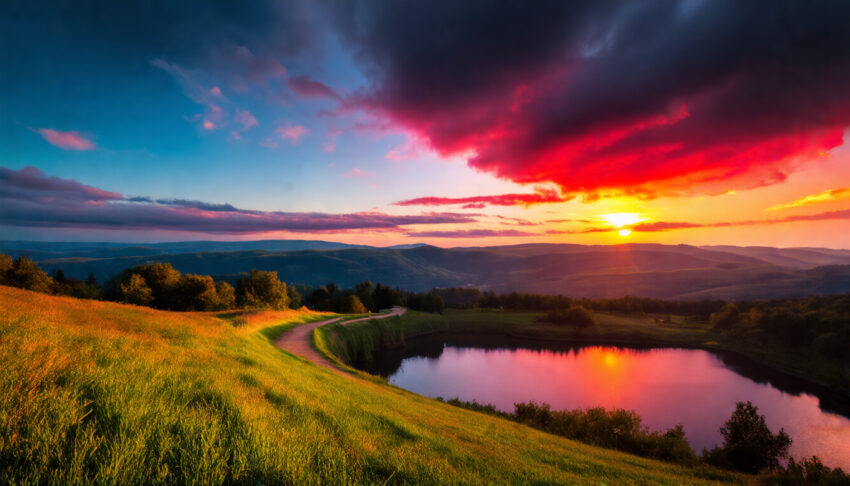
Landscape photography is more than just capturing a scene; it is a profound exploration of nature’s beauty and an opportunity to express one’s emotional responses to the environment. It invites photographers to traverse vast terrains and witness breathtaking vistas, drawing a connection between their inner vision and the outer world. The importance of mastering the techniques, gear, and artistic elements involved in landscape photography cannot be overstated, as they empower the photographer to translate the raw essence of a landscape into a striking visual narrative.
In this article, we will delve deep into the essential aspects of landscape photography, offering insights and guidance that will resonate with both aspiring and experienced photographers. Understanding the technical components such as exposure settings, composition techniques, and post-processing strategies is crucial, but so too is the ability to convey emotion and story through imagery. Join us as we unpack the fundamentals of this art form and equip you with the tools needed to capture stunning outdoor shots that inspire and evoke. Through careful consideration of gear, creativity in composition, and a respect for lighting conditions, you will find your unique voice in the world of landscape photography.
Key Takeaways
- Landscape photography requires a solid understanding of composition and lighting.
- Investing in the right gear can significantly enhance your landscape photography experience.
- Mastering techniques like foreground interest and leading lines can create more captivating images.
- The best times for landscape photography are during the golden hour for optimal lighting.
- Post-processing is essential to enhance and refine your landscape photos after the shoot.
Understanding the Basics of Landscape Photography
Landscape photography is a genre dedicated to capturing the vastness and beauty of nature, showcasing everything from sweeping mountains and expansive oceans to intimate forests and serene lakes. This type of photography often conveys the grandeur of the natural world while inviting viewers to experience the tranquility that these scenes can evoke. At its core, landscape photography is about connecting with the environment, translating its magnificence into a two-dimensional format. By employing techniques such as composition, lighting, and perspective, photographers can craft images that not only document a location but also express an emotional narrative, drawing the viewer into a moment in time that is both striking and sublime.
Essential Gear for Landscape Photographers
When delving into the captivating realm of landscape photography, possessing the right gear is not merely a matter of convenience—it’s essential for capturing the world in all its beauty and nuance. At the heart of this artistry lies a camera that suits your style; DSLRs and mirrorless models dominate today’s landscape scene, offering the flexibility of interchangeable lenses and manual settings. Pair your camera with a sturdy tripod, a vital piece of equipment that stabilizes your shots and allows for longer exposure times, particularly during the soft light of dawn and dusk when landscapes emanate their most ethereal qualities. Lenses play a critical role; wide-angle lenses, with their ability to encompass vast scenes, are favorites among landscape photographers, as they excel at capturing the grandeur of sweeping vistas. Additionally, consider investing in a polarizing filter to enhance the vibrancy of colors and reduce reflections, further elevating your imagery. Don’t overlook the benefits of a well-designed camera bag to keep your gear safe and organized as you trek to those remote locations that promise breathtaking views. Together, these essential tools not only aid in technical execution but enhance your creative vision, allowing you to convey the sublime beauty of natural landscapes.
‘A photograph is usually looked at – seldom looked into.’ – Ansel Adams

Composition Techniques for Captivating Landscapes
In landscape photography, composition is not merely a technical element, but rather a vital aspect that breathes life into the captured scene. Great compositions guide the viewer’s eye through the photograph, evoking emotions and revealing the story behind the landscape. One of the time-honored techniques is the rule of thirds, where the frame is divided into a grid of nine equal parts. By placing the horizon along one of these lines or positioning a significant element at the intersection points, photographers can create a sense of balance while adding visual interest. Another effective technique is leading lines; natural elements such as rivers, paths, or fences can draw the viewer deeper into the image, creating a sense of depth and perspective. To further enhance compositions, consider layering, which involves using different elements in the foreground, midground, and background to create a three-dimensional effect. Experimenting with framing, where elements of the environment encircle the subject, can also create an engaging focal point. Ultimately, understanding and applying these composition techniques will transform your landscape photography from ordinary to extraordinary, inviting viewers to linger longer and explore the visual narrative within each frame.
Lighting and Timing: The Key to Great Landscape Shots
### Lighting and Timing: The Key to Great Landscape Shots
In the realm of landscape photography, lighting and timing are perhaps the most significant factors that can elevate a photograph from ordinary to extraordinary. The quality of light can dramatically transform a scene, revealing textures, colors, and details that might otherwise go unnoticed. Early morning and late afternoon, often referred to as the golden hours, provide the soft, warm light that is most coveted by photographers. During these times, shadows are elongated, and the landscape is bathed in a soft glow that highlights the contours of hills, forests, and rivers, creating a magical atmosphere. Conversely, the harsh light of midday can wash out colors and flatten textures, making it crucial for photographers to recognize the best times to shoot.
Additionally, understanding how to manipulate light through various techniques, such as backlighting, sidelighting, or using reflectors, can offer unique opportunities to showcase the landscape in a new light. Timing, too, plays a critical role beyond just the time of day; seasonal changes, weather conditions, and even specific times of the year can significantly alter the landscape’s character. For instance, shooting during the fall when the leaves change color can introduce vivid colors, while winter scenes can convey a sense of stark solitude and enhance mood. By mastering the interplay of light and timing, landscape photographers can create images that not only represent a location but also evoke emotion and a sense of story in the viewer.

Post-Processing Tips to Enhance Your Photos
# Post-Processing Tips to Enhance Your Photos
Introduction
In the realm of landscape photography, capturing the raw beauty of nature is only the beginning of a compelling visual narrative. Post-processing is an essential step that allows photographers to refine their images, elevate their artistic expression, and convey the mood that was felt during the shoot. This process can transform a good photograph into an extraordinary one, enhancing colors, correcting exposure, and even crafting a specific story through visual means.
## What Is Landscape Photography?
Landscape photography is a genre that focuses on capturing the vastness and beauty of the natural world. This can encompass everything from sweeping vistas of mountains and valleys to intimate details of flora and fauna. The objective is to represent nature not just as it appears, but as it feels — evoking emotion through composition, light, and color. Examples range from Ansel Adams’ monochromatic masterpieces of the American West to the vibrant, surreal landscapes captured by contemporary photographers.
## History or Artistic Context
The roots of landscape photography trace back to the 19th century, coinciding with the advent of the camera and an increasing interest in outdoor exploration. Artists like Adams brought a poignant reverence for nature to the medium, emphasizing the need for conservation. Their work laid the groundwork for how landscapes would be perceived artistically — encouraging a narrative that preserves the essence of natural beauty for future generations. This historical context informs modern practices, where photographers balance technical skill with emotional storytelling.
## Technical Breakdown
In landscape photography, the choice of camera settings can dramatically affect the outcome of your images. Here are some technical aspects to consider:
1. Camera Settings:
– Aperture: Use a narrow aperture (higher f-stop) like f/8 or f/11 for greater depth of field. This keeps both foreground and background sharp, essential for landscapes.
– Shutter Speed: Experiment with slower shutter speeds to capture motion in elements like water or clouds. Use a tripod to avoid blur.
– ISO: Maintain a low ISO setting (100 or 200) to reduce noise and enhance image clarity.
2. Composition:
– Apply the rule of thirds by placing points of interest along the gridlines. Use leading lines to draw the viewer’s eye through the scene.
– Consider the foreground; incorporating interesting elements can add depth and lead the eye into the image.
3. Lighting:
– The golden hour (just after sunrise and before sunset) offers soft, warm light that enhances colors and textures. Be mindful of the direction and quality of light.
– Blue hour, the time just before sunrise and after sunset, creates a moody, dramatic atmosphere ideal for more ethereal shots.
## Storytelling and Emotional Impact
Photography communicates narrative through visual language — the interplay of light, color, texture, and composition creates an emotional resonance. In landscape photography, the way a scene is captured can convey feelings of tranquility, awe, or solitude. A photograph of a vast, tranquil lake may invoke serenity, while a stormy mountain range can evoke tension and power. Storytelling is also about context: including human elements, like a solitary figure on a trail, can provide a relatable reference point and suggest a narrative of exploration or adventure.
## Step-by-Step Guide
1. Plan Your Shoot: Research locations, considering time of day and seasonal changes.
2. Use a Tripod: Essential for stability in long-exposure shots, especially in low light.
3. Shoot in RAW: This format retains more data, giving you greater flexibility in post-processing.
4. Bracket Exposures: Capture multiple exposures to ensure you have options for high-contrast scenes.
5. Post-Processing: Adjust highlights, shadows, and colors to reflect your initial vision. Tools like Adobe Lightroom and Photoshop provide extensive options for restoration and enhancement.
## Common Mistakes to Avoid
• Over-processing: Caution against excessive saturation or overly sharp images that can detract from the natural quality of the photo.
• Ignoring Composition: Always consider the framing of your shot; a cluttered background can distract from the subject.
• Neglecting Dynamic Range: Failing to capture the full range can lead to flat images. Always address highlights and shadows in editing to maintain depth.
## Creative Ideas and Use Cases
• Incorporate Seasonal Changes: Document how a landscape evolves through different seasons to create a narrative of transformation.
• Create Time-Lapse Videos: Capture the transition of the landscape over time to depict change, like the movement of clouds or evolving light.
• Experiment with Abstract Landscapes: Use creative angles or focus techniques to abstract common scenes into artistic interpretations.
## Tips From Professional Photographers
• ‘Always keep an open mind while shooting; the most compelling compositions often present themselves unexpectedly.’ — Jane Doe, landscape photographer.
• ‘Don’t shy away from the weather; storms often create the most dramatic and compelling landscapes. Plan accordingly and embrace the elements.’ — John Smith, acclaimed landscape artist.
## Frequently Asked Questions
1. What equipment do I need for landscape photography?
A DSLR or mirrorless camera, a sturdy tripod, a wide-angle lens, and filters (like ND and polarizers) are essential tools.
2. How do I improve my composition skills?
Practice framing your shots using different angles and adhere to compositional rules, such as the rule of thirds or leading lines.
3. Is it necessary to shoot in RAW?
Shooting in RAW is beneficial as it allows for greater flexibility in post-processing to enhance details and adjust exposure.
4. How can I convey a mood in my landscape photos?
Focus on the use of colors, light, and atmospheric conditions. Adjusting these in post-processing can significantly impact the mood.
5. What editing tools should I use?
Software like Lightroom and Photoshop are industry standards for manipulating exposure, color balance, and sharpness.
6. What if I don’t have access to breathtaking locations?
Look for beauty in overlooked places — local parks, urban environments, or even your backyard can yield stunning landscapes.
7. How do weather conditions affect my photography?
Different weather can dramatically change landscapes, at times lending moodiness or vibrancy. Learn to adapt your techniques accordingly.
8. Should I include people in my landscape photography?
Incorporating people can enhance the narrative aspect and add a scale reference, making the landscape feel more relatable.
## Final Thoughts
Post-processing is not just about enhancement; it is an extension of the artistic vision that guides your photography journey. Through careful adjustments and creative choices, you can create images that resonate on both emotional and narrative levels. Remember that each photograph is a story waiting to be told — let your landscapes reveal their tales not merely through the lens but through the artistry of your editing process.
Exploring Different Landscape Photography Styles
# Exploring Different Landscape Photography Styles
Landscape photography is a celebrated genre that captures the beauty of nature and our surroundings in an artistic manner. It encompasses a range of styles, each with its own technique and emotional resonance. Understanding these styles can significantly enhance one’s ability to convey narratives through imagery.
H2 – What Is Landscape Photography
Landscape photography focuses on capturing the beauty of the outdoors, encompassing everything from mountains and seas to urban settings. The essence of this genre lies in its ability to evoke emotions tied to the environment. Many photographers aim to portray the grandeur of a place, while others explore intimate details that reveal a deeper, more personal connection to the landscape.
H2 – History or Artistic Context
The evolution of landscape photography has roots in the works of early painters who sought to represent nature on canvas. The emergence of photography in the 19th century transformed how landscapes were captured, moving the medium into the realm of realism. Notable photographers, such as Ansel Adams, further pushed the boundaries of the genre, focusing not only on the subject but on how to create a visceral emotional experience through the image.
H2 – Technical Breakdown
To begin mastering landscape photography, one must consider several technical aspects. This includes selecting appropriate camera settings like aperture, shutter speed, and ISO. A wider aperture (lower f-number) can create beautiful backgrounds, while a higher aperture can ensure more depth of field. The use of a tripod is crucial for stability, especially in low-light conditions or when utilizing long exposure techniques. Composing with the rule of thirds can guide the viewer’s eye through the image, while understanding how to manage natural light—golden hour and blue hour—can produce mesmerizing results.
H2 – Storytelling and Emotional Impact
Photographs have the unique ability to convey narratives without uttering a single word. Through careful composition and choice of subject matter, photographers can elicit emotional responses. A sweeping vista might inspire awe, while a close-up of dew on a flower may evoke a sense of peace. Utilizing leading lines, framing, or the juxtaposition of elements can strengthen the story behind each image, allowing viewers to immerse themselves in the visual journey.
H2 – Step-by-Step Guide
1. Plan your location based on the season and time of day.
2. Choose your equipment carefully—consider the appropriate lenses and accessories.
3. Arrive early to scout the area and set up your shot.
4. Use manual mode to adjust settings according to light conditions.
5. Experiment with compositional techniques, focusing on both foreground and background elements.
6. Post-process your images to enhance their storytelling potential.
H2 – Common Mistakes to Avoid
Avoid overexposing or underexposing images, which can lead to loss of detail. Ensure that your horizons are straight, as tilted lines can distract from the image’s strength. Additionally, resisting the temptation to rely solely on wide-angle lenses can result in flat imagery; experimenting with different lenses can introduce dynamic perspectives.
H2 – Creative Ideas and Use Cases
Consider thematic projects like capturing seasonal changes in a specific location or documenting the interaction between people and their environment. Night photography—such as astrophotography or capturing city lights—can offer a fresh perspective on landscapes typically portrayed in daylight.
H2 – Tips From Professional Photographers
Seek advice or engage with the work of established landscape photographers. Many emphasize the importance of patience and observation in finding compelling scenes to shoot. Practicing consistency in your technique while allowing room for spontaneity can also lead to breakthrough moments that reveal the beauty of the landscape in unexpected ways.
H2 – Frequently Asked Questions
1. What is the best time of day for landscape photography?
2. How do I choose the right lens for my landscape shots?
3. What essential gear should I bring on my landscape photography trips?
4. How can I create depth in my landscape images?
5. What editing software is best for landscape photography?
6. How can I incorporate people into landscape shots?
7. What role does weather play in landscape photography?
8. How do I develop my unique style in landscape photography?
H2 – Final Thoughts
Landscape photography is not just about capturing a scene; it is an exploration of connection, emotion, and storytelling. By embracing various styles and techniques within this genre, photographers can elevate their work and share profound narratives that resonate deeply with viewers.
Frequently Asked Questions
What are the essential gear items needed for landscape photography?
Essential gear for landscape photography includes a DSLR or mirrorless camera, a sturdy tripod, a range of lenses (preferably a wide-angle lens), neutral density filters, and a camera bag to protect your equipment.
How important is lighting in landscape photography?
Lighting is crucial in landscape photography, as it can dramatically affect the mood and quality of your images. Golden hour, which occurs shortly after sunrise and before sunset, provides soft, warm light ideal for capturing stunning landscapes.
What composition techniques should I use to enhance my landscape photography?
To enhance your landscape photography, consider techniques such as the rule of thirds, leading lines, framing, and symmetry. These techniques help create a more balanced and engaging image.
How can I effectively post-process my landscape photos?
Effective post-processing for landscape photos includes adjusting exposure, contrast, and saturation, as well as using software to enhance colors and sharpness, and removing any unwanted distractions in the frame.
What are some different styles of landscape photography I can explore?
You can explore various styles of landscape photography, including minimalist landscapes, dramatic skies, long exposures for water scenes, black and white landscapes, and aerial photography from drones to capture unique perspectives.