
Photography is more than just a click of a button; it is a profound form of expression that can capture moments, evoke emotions, and tell intricate stories. The ability to create stunning images lies not only in technical skills but also in understanding the nuances of light, composition, and storytelling. For beginners and aspiring photographers, mastering these fundamentals is essential for developing a unique photographic style and finding one’s artistic voice. This comprehensive guide aims to equip you with the knowledge necessary to take your photography to the next level, exploring key concepts from understanding your camera to building an impressive portfolio that reflects your skills and vision.
Key Takeaways
- Start by familiarizing yourself with your camera’s settings to unlock its full potential.
- Master essential photography techniques to create visually captivating images.
- Utilize natural and artificial lighting to enhance the mood and quality of your photos.
- Apply composition rules to frame your subjects effectively and make your shots more engaging.
- Invest time in photo editing to refine your images and showcase your unique style in your portfolio.
Understanding Your Camera: A Beginner’s Guide
# Understanding Your Camera: A Beginner’s Guide
## Introduction
Understanding your camera is the cornerstone of developing your photography skills. Mastering the functions of your camera allows you to express your artistic vision, capture moments with precision, and tell compelling stories through your images. Even as a beginner, familiarizing yourself with your equipment will dramatically enhance your creative output and overall satisfaction with your photography journey.
## What Is Photography?
Photography, at its essence, is the art of capturing light to create images. It allows us to translate a moment in time into a visual narrative, framing our perspectives and experiences. While technology has advanced, enabling various forms and styles, the core principle remains unchanged: the dance between light and shadow on a surface.
## History or Artistic Context
The history of photography is a fascinating journey, beginning in the 19th century with the invention of the camera obscura, an early tool that laid the groundwork for modern photography. As technological advancements introduced film and, subsequently, digital cameras, the medium evolved into a powerful means of expression. Photographers such as Ansel Adams and Dorothea Lange shaped our understanding of photographic storytelling through their profound visual narratives, highlighting the emotional impact that photography can have.
## Technical Breakdown
To effectively use your camera, understanding its fundamental settings is crucial. This includes the exposure triangle—aperture, shutter speed, and ISO. Each of these elements interacts to determine how your image will turn out:
• Aperture: This controls the depth of field and how much light enters the camera. A lower f-stop number creates a shallow depth of field, ideal for portraits with a blurred background.
• Shutter Speed: This dictates how long your sensor is exposed to light. Fast shutter speeds freeze motion, while slower speeds can create beautiful motion blur, ideal for landscapes or light trails.
• ISO: This adjusts your camera’s sensitivity to light. A higher ISO can be beneficial in low light but may introduce noise in your images.
Understand that the balance between these settings is key to achieving the desired exposure in your photographs.
## Storytelling and Emotional Impact
Photography is not just about capturing images; it conveys emotions, tells stories, and communicates ideas. The way you compose your shot—including framing, perspective, and subject matter—affects how viewers interpret and connect with your work. Photographs can evoke nostalgia, joy, sadness, or tension based on their composition and context. Understanding how to harness these elements will enable you to create images that resonate with viewers on a deeper level.
## Step-by-Step Guide
1. Familiarize Yourself With Your Camera: Read the manual and understand every button’s function and setting.
2. Practice Basic Techniques: Experiment with different settings in various lighting conditions. Carry your camera even on casual outings to practice.
3. Compose Thoughtfully: Use the rule of thirds or leading lines to draw the viewer’s eye into your images.
4. Shoot in Manual Mode: Gradually transition from auto to manual settings to have complete control.
5. Review and Reflect: After each shoot, critically review your photos, noting what worked and what didn’t.
## Common Mistakes to Avoid
As a beginner, it’s common to fall into a few pitfalls:
• Relying too heavily on automatic settings instead of learning how to make manual adjustments.
• Neglecting to check your focus, leading to unwanted blur.
• Ignoring lighting conditions, which can drastically affect your image quality.
By being aware of these issues, you can better navigate your early photography endeavors.
## Creative Ideas and Use Cases
Photography is limitless in its potential. Consider experimenting with:
• Long exposures to create ethereal landscapes.
• Portrait photography using natural light for a more candid feel.
• Street photography to capture the hustle and bustle of daily life, telling the story of strangers.
• Macro photography to highlight the beauty in small details thus fostering an appreciation for the often overlooked.
Each of these genres provides unique opportunities for creative expression.
## Tips From Professional Photographers
1. Practice, Practice, Practice: Regular shooting helps develop your skills and eye for good compositions.
2. Join a Community: Engage with other photographers for feedback, inspiration, and opportunities.
3. Study the Masters: Observe and analyze the work of renowned photographers to understand effective techniques and storytelling.
4. Don’t Be Afraid to Fail: Embrace your mistakes; they are essential for growth in artistic practice.
## Frequently Asked Questions
1. What camera should I start with?
– A camera with manual settings, like a DSLR or mirrorless camera, is ideal for beginners.
2. What is the best way to learn photography?
– Combine formal education, online resources, and hands-on practice.
3. How important is post-processing?
– It can enhance your images significantly and is a crucial part of the digital photography process.
4. Should I invest in expensive lenses?
– Quality lenses can make a difference in image sharpness and versatility.
– Consider starting with a dedicated prime lens, which is often cost-effective and sharp.
5. How can I find my photography style?
– Explore different genres and techniques until you find what resonates with you emotionally and creatively.
## Final Thoughts
Understanding your camera is just the beginning of a rewarding photographic journey. As you gain familiarity with technical aspects and artistic practices, you will discover your unique voice in the vast medium of photography. By recognizing that every photograph is a story waiting to emerge, you will not only enhance your skills but also enrich your understanding of the world around you.
Embrace every moment, let your camera act as your companion, and step into the beautiful narrative that is photography.
Essential Photography Techniques for Captivating Images
# Essential Photography Techniques for Captivating Images
## Introduction
Photography serves as a window to the world, allowing us to capture moments that reflect the beauty, complexity, and raw emotion of human experience. Whether you’re a novice wielding a smartphone camera or a seasoned professional with a DSLR, understanding essential photography techniques can elevate your images from mere snapshots to captivating visual stories. This article explores various techniques and artistic approaches that can deepen your photographic craft, fostering not only technical proficiency but also an emotional connection to your subjects.
## What Is Photography?
Photography is the art and science of creating images by capturing light, either digitally or on film. By manipulating aspects such as exposure, composition, and focus, photographers can create evocative images that resonate with viewers. Photography is more than just recording reality; it is about interpretation, emotion, and narrative. From portraiture to landscapes, abstract to documentary, photography encompasses a wide array of styles and purposes, allowing for a diverse expression of creativity.
## History or Artistic Context
The origins of photography trace back to the early 19th century, with the invention of the daguerreotype by Louis Daguerre in 1839, which revolutionized how images were captured and shared. Since then, the medium has evolved substantially, influenced by technological advancements and cultural movements. The introduction of color film in the 20th century, the rise of photojournalism, and the digital revolution transformed how images are produced and consumed. Today, photography is not only a means of documentation but also a powerful tool for artistic expression, social change, and storytelling.
## Technical Breakdown
To capture captivating images, understanding the technical fundamentals is crucial. Here are some core elements:
### Camera Settings
• Aperture: Controls the depth of field. A lower f-stop (e.g., f/2.8) creates a shallow depth, blurring the background and isolating the subject. A higher f-stop (e.g., f/16) will add detail throughout the frame.
• Shutter Speed: Determines how long the camera’s sensor is exposed to light. Fast shutter speeds (e.g., 1/1000) freeze motion, while slow speeds (e.g., 1/4) can create intentional blur that conveys movement.
• ISO: Affects the sensor’s sensitivity to light. Lower ISO (e.g., 100) is used in bright conditions, while higher ISO (e.g., 3200) can help capture images in low light, albeit with the risk of increased noise.
### Composition
Good composition guides the viewer’s eye and builds a structured narrative within the frame. Consider techniques such as the rule of thirds, leading lines, and symmetry to create visually engaging images.
### Lighting
Natural light can dramatically influence the mood and clarity of your photographs. Golden hour—shortly after sunrise and before sunset—offers soft, warm light ideal for capturing stunning landscape and portrait images.
## Storytelling and Emotional Impact
Photography communicates narrative instinctively. A single image can evoke a wealth of emotions and represent complex ideas. For instance, a well-captured portrait can illuminate the subject’s personality, while a meticulously-composed landscape can evoke feelings of solitude or adventure. Incorporating elements such as context, emotional expression, and subject interaction allows photographers to tell compelling stories through their work.
## Step-by-Step Guide
1. Prepare Your Gear: Ensure your camera is charged and your lenses are clean. Bring additional accessories like tripods or reflectors as needed.
2. Plan Your Shoot: Research your subject and location. Consider the time of day for optimum lighting conditions.
3. Set Your Camera: Adjust your settings based on your environment and desired effect.
4. Compose Your Shot: Employ compositional techniques to structure your image meaningfully.
5. Capture the Moment: Be patient and observant. Sometimes the best photos come from waiting for the right moment.
6. Review and Adjust: Look at your images and adjust settings or composition as necessary for subsequent shots.
## Common Mistakes to Avoid
1. Ignoring Composition: Always consider framing and how it affects storytelling.
2. Poor Lighting Choices: Avoid harsh midday light unless it’s artistically justified. Opt for softer light conditions when possible.
3. Overexposure or Underexposure: Pay attention to your camera’s histogram to ensure proper exposure.
4. Neglecting Focus: Ensure your subject is sharply focused and avoid soft images unless that is the desired effect.
## Creative Ideas and Use Cases
• Story-Driven Portraits: Capture the essence of your subjects by incorporating contextual elements that reflect their life stories.
• Long Exposure Landscapes: Experiment with slow shutter speeds to create ethereal landscapes and seascapes, smoothing out water and clouds.
• Black and White Photography: Strip away color to focus on emotion, texture, and contrast, enhancing the emotional impact of your work.
## Tips From Professional Photographers
1. Practice Makes Perfect: Regularly shooting in a variety of environments enhances skill and intuition.
2. Learn to Edit: Post-processing can significantly elevate your images. Familiarize yourself with software like Adobe Lightroom to refine your work.
3. Seek Feedback: Share your photos with peers or mentors to gather constructive criticism and insights.
## Frequently Asked Questions
1. What camera is best for beginners?
A DSLR or mirrorless camera with a kit lens is a great starting point for most beginners.
2. How important is post-processing?
Post-processing is crucial for enhancing the final image, allowing you to adjust exposure, color, and details.
3. Can I shoot in RAW format, and why should I?
Shooting in RAW retains more detail and allows for greater editing flexibility compared to JPEG.
4. What are the best lenses for portraits?
Lenses with a focal length between 50mm and 85mm are generally preferred for flattering portraits.
5. How can I improve my composition?
Practice using compositional techniques like the rule of thirds, leading lines, and framing.
## Final Thoughts
Mastering essential photography techniques involves both technical skill and an artistic approach. By understanding your camera, the relationship between light and shadow, and how to compose a compelling image, you can create photographs that not only captivate viewers but also resonate on an emotional level. Embrace the art of storytelling through photography, and allow your images to express the profound narratives that lie within each captured moment.
‘Photography is the story I fail to put into words.’ – Destin Sparks

The Importance of Lighting in Photography
In the realm of photography, lighting serves as a fundamental pillar that shapes the very essence of an image. It is often said that photography is the art of capturing light, and this notion underscores its vital significance. The interplay of light and shadow can transform a simple subject into a compelling story, evoking emotions, revealing textures, and establishing mood. For instance, soft, diffused lighting can create a dreamy atmosphere ideal for portraits, while harsh, directional lighting can enhance the drama and contrast in landscape photography. Understanding how to manipulate various types of lighting—such as natural light, studio lighting, and ambient light—enables photographers to breathe life into their images and communicate their artistic vision effectively. Additionally, mastering the art of lighting not only enhances aesthetic appeal but also allows photographers to dictate the narrative flow within their frames, elevating their work beyond mere representation into realms of deeper connection and storytelling.
Composing the Perfect Shot: Rules and Tips
Creating a compelling photograph often hinges on how one composes the shot. Composition refers not only to the arrangement of elements within the frame, but also to the emotions and narratives these arrangements evoke. Understanding the principles of composition is essential for any photographer looking to elevate their work and convey deeper stories through their images.
When composing your shot, consider the fundamental guidelines such as the Rule of Thirds, Leading Lines, and Framing. The Rule of Thirds encourages the photographer to divide the frame into a grid of nine equal parts, placing important elements along these lines or at their intersections to create balance. Leading Lines guide the viewer’s eye towards the focal point of the photograph, adding depth and perspective. Another powerful technique is Framing, which involves using elements within the scene to create a ‘frame within a frame’ that draws attention to your subject.
While these rules provide a solid foundation, they are meant to be broken or adapted to better serve your artistic vision. Experiment with different angles, perspectives, and compositions to find what best expresses your subject’s story. Remember, the real impact of your photograph comes not just from technical precision, but from the emotion it conveys and the narrative it unfolds.
Editing Your Photos: Tools and Techniques for Enhancement
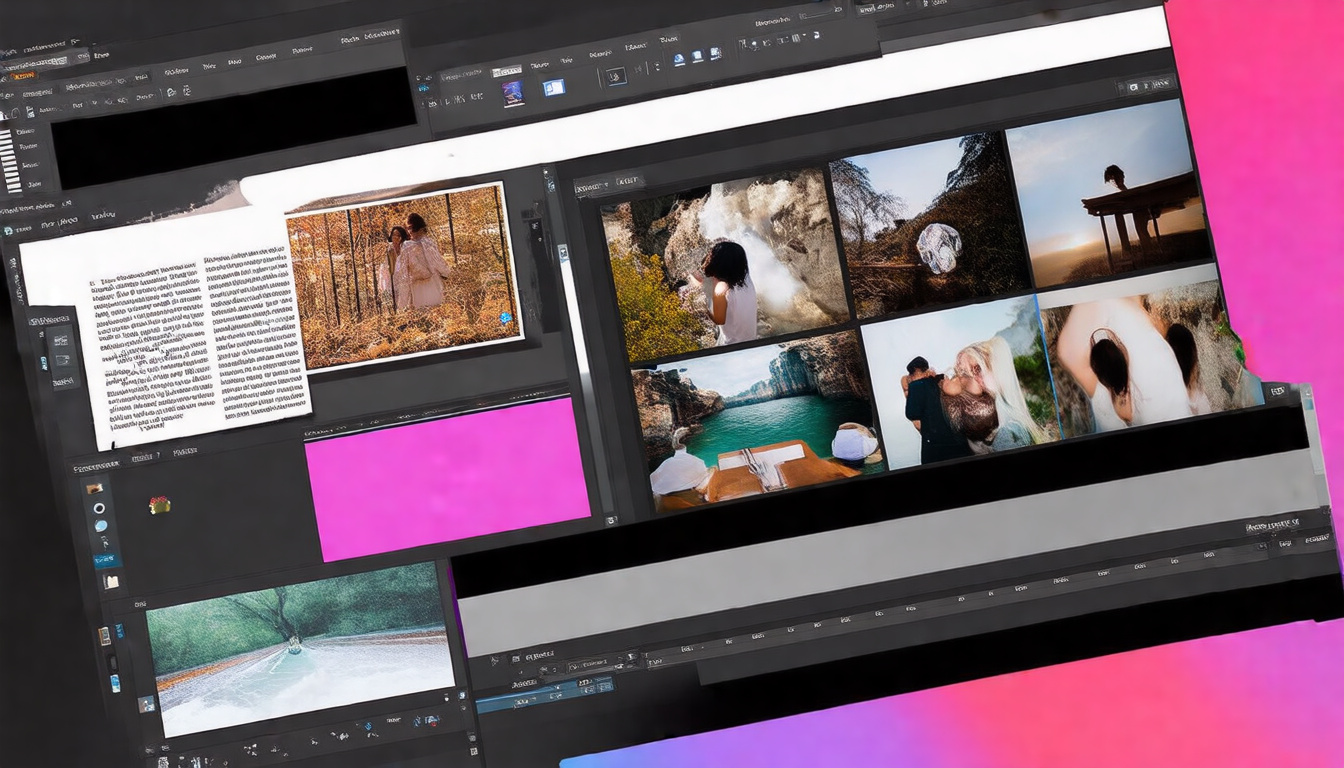
Editing your photos is an essential step that can elevate your photography from ordinary to extraordinary, revealing the full potential of your captures. Proper editing enhances the mood and conveys the emotions that the original photograph may only hint at. It encompasses a range of tools and techniques that photographers can employ to adjust elements such as exposure, color balance, contrast, and sharpness. Beginning photographers often feel intimidated by the editing process, but understanding the basics of photo editing can open up new creative avenues.
At its core, photo editing involves using software to manipulate images to achieve the desired results. Popular programs like Adobe Lightroom and Photoshop provide a wealth of features—from simple adjustments like cropping and straightening to more complex actions like layering and masking. Lightroom excels in batch processing, allowing photographers to edit multiple images simultaneously, while Photoshop offers advanced control over individual images, making it a favorite for detailed retouching.
Each editing tool can be leveraged to tell a story. For instance, enhancing colors might evoke vibrancy and joy, whereas desaturating the image can suggest nostalgia or melancholy. Understanding the purpose behind your editing choices is crucial for successful visual storytelling. As you explore various techniques—from adjusting curves and levels to applying filters or presets—remember that patience and practice are key to developing your unique editing style.
Building Your Photography Portfolio: What to Showcase
Building a strong photography portfolio is an essential step for any photographer looking to establish their creative identity and attract potential clients. A well-curated portfolio not only showcases your technical skills but also reflects your unique artistic vision and narrative voice. It serves as a visual storytelling tool that offers insight into your style and themes. To create an impactful portfolio, it’s crucial to be selective about which pieces to include, ensuring they align with your intended audience and the type of photography you wish to pursue. Consider incorporating a variety of work that demonstrates your versatility—portraits that capture emotion, landscapes that evoke a sense of place, and conceptual images that challenge perceptions. Each photograph should resonate with your aesthetic, allowing viewers to connect with your work on both an emotional and intellectual level. As you build your portfolio, strive to tell a cohesive story through the careful selection of images that not only highlight your skills but also convey your creative journey.
Frequently Asked Questions
What should I know before starting photography?
Before starting photography, it’s essential to understand the basics of your camera, including its settings, modes, and functions. Familiarizing yourself with these will help you take better photos and utilize your camera effectively.
What are some essential photography techniques I should learn?
Some essential photography techniques include mastering exposure, understanding depth of field, experimenting with composition, and practicing different types of photography like portrait, landscape, and macro.
How can I improve my photography lighting?
To improve lighting in your photographs, always be mindful of the time of day you shoot, make use of natural light, and consider using reflectors or external flash to manipulate light for enhancing your images.
What are the key rules for composing a photo?
Some key rules for composing a photo include the Rule of Thirds, leading lines, framing, balance, and using negative space. These can help create visually appealing and well-structured images.
What tools can I use to edit my photos?
You can use various photo editing software and apps like Adobe Lightroom, Photoshop, or even mobile apps such as Snapseed to enhance your images. Focus on adjusting exposure, color balance, and cropping for better composition.