
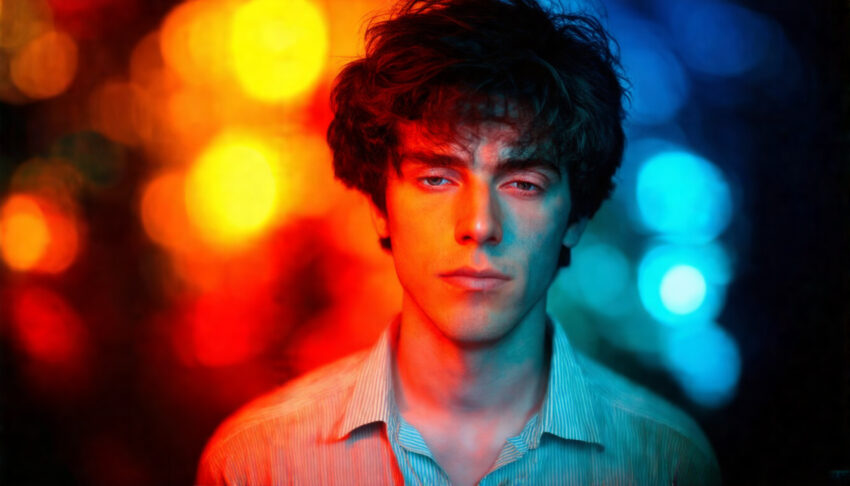
Portrait photography goes beyond capturing a simple image of a person; it aims to convey emotion, personality, and the essence of the individual being photographed. Whether your goal is to create striking images for professional portfolios, personal keepsakes, or artistic expression, mastering this craft requires an understanding of both the technical and artistic elements involved. This article delves into the fundamentals of portrait photography, offering practical tips and insights for photographers looking to create captivating and memorable images that stand out. From understanding essential gear and lighting techniques to tips on posing and post-processing, we will explore every facet of portrait photography to help develop your unique artistic voice.

Key Takeaways
- Understanding the fundamentals of portrait photography sets the groundwork for creating captivating images.
- Choosing the right gear is crucial for achieving high-quality portrait shots.
- Leveraging effective lighting techniques can significantly enhance the mood and impact of portraits.
- Mastering posing can help capture genuine emotions and create more relatable images.
- Post-processing can transform good portraits into exceptional ones, adding the final polish needed.
Understanding the Fundamentals of Portrait Photography
In the realm of photography, portrait photography holds a distinct and powerful position, serving as a means to capture the essence of an individual. This genre transcends mere representation; it seeks to unveil the story within each subject, fostering a connection between the viewer and the portrayed. Unlike other forms of photography that may focus on landscapes or still life, portrait photography brings forth the human experience, capturing emotions, expressions, and the intricate nuances of personality. The importance of mastering portrait photography lies not only in the technical skills required—such as understanding lighting, composition, and camera settings—but also in the artistic vision needed to convey the narratives locked within each subject. This duality of artistry and technique is what makes portrait photography a timeless endeavor, celebrated in both casual snapshot moments and grand exhibitions alike.
Essential Gear for Stunning Portraits
When embarking on the journey of portrait photography, understanding the essential gear is pivotal in creating stunning images that capture the essence of your subjects. While the creative vision is vital, the right tools can enhance your ability to translate that vision into a tangible photograph. The foundation of portrait photography often begins with a good camera. Though any DSLR or mirrorless camera with interchangeable lenses can suffice, many photographers prefer models with larger sensors, as they typically produce higher-quality images with better low-light performance. However, it is not solely about the camera; choosing the right lens is crucial. A fast prime lens, such as an 85mm f/1.8 or 50mm f/1.8, allows for sharp images with a beautiful depth of field, which blurs the background and emphasizes the subject, making for compelling portraits.
Lighting also plays an essential role in portrait photography. Natural light can create ethereal portraits, particularly during the golden hour when sunlight casts a soft, warm hue. Nevertheless, having a reliable flash or continuous lighting setup is beneficial for achieving consistent and controlled illumination, particularly in studio settings or dim environments.
Lastly, supportive accessories—including reflectors to bounce light, diffusers to soften it, and sturdy tripods for stabilizing your camera—enhance your capabilities. All these elements work in unison to create an effective portrait photography kit that allows you to focus on capturing genuine emotions and stories through your work.
‘Photography is the story I fail to put into words.’ – Destin Sparks

Lighting Techniques to Enhance Your Portraits
In the realm of portrait photography, lighting serves as both a canvas and a brush, shaping the mood, depth, and emotional resonance of each image. Mastering lighting techniques can elevate simple snapshots into compelling storytelling pieces. There are various styles and methods to manipulate lighting that cater to different artistic visions. Natural light can infuse warmth and authenticity, while artificial light can create drama and precision. Employing techniques such as backlighting can generate a halo effect around the subject, adding an ethereal quality, whereas Rembrandt lighting produces a classic look with dynamic shadows, perfect for conveying character and thoughtfulness. Understanding these nuances not only enhances aesthetic appeal but also deepens the narrative that the portrait communicates, allowing viewers to connect with the subject on a more profound level.
Posing Tips to Capture Genuine Emotions
In the realm of portrait photography, capturing genuine emotions is essential for creating evocative and relatable images. When a viewer looks at a portrait, the first instinct is often to connect with the subject on an emotional level. To achieve this, the photographer must become adept at posing techniques that evoke authenticity rather than stiffness. Start by establishing a comfortable rapport with your subjects, as a positive relationship can lead to more natural expressions. Encourage them to interact with their environment or each other, as this can ignite spontaneous emotions. Consider using prompts or storytelling cues that resonate with their experiences, allowing their personality to shine through. Avoid overly rigid poses; instead, opt for moments of subtle movement or candid gestures. Techniques like having subjects shift their weight, look away momentarily, or engage in light conversation can foster a sense of ease, inviting connection in the captured image. Furthermore, pay attention to eye contact; it is a powerful tool that can convey vulnerability, strength, or joy, depending on the context. Ultimately, the key is to create an environment where your subjects feel valued and understood, resulting in portraits that resonate with authenticity.

Post-Processing Techniques for Polished Results
Post-Processing Techniques for Polished Results in Portrait Photography
In the world of portrait photography, capturing a moment is only half the artistic experience; the other half unfolds in the digital darkroom through post-processing. Post-processing provides photographers with the tools to enhance their images, ensuring that every nuance of emotion and detail shines through. This phase can transform a good portrait into a striking one by improving clarity, contrast, and color balance while maintaining the essence of the subject.
When approaching post-processing in portrait photography, it is essential to start with a high-quality, well-exposed image. Begin with basic adjustments in exposure and white balance to set a solid foundation. Following that, delve into enhancing skin tones using selective color adjustments or curves to give the subject a natural, vibrant look. Techniques such as frequency separation can be employed to retouch skin without losing texture, allowing for a polished yet authentic appearance. In addition to skin retouching, pay attention to the eyes, enhancing their brightness and clarity, as they are often the emotional focal point of the portrait.
Finally, consider the overall composition of the image. Use cropping to refine the frame, and apply vignettes or gradients to draw attention to the subject, guiding the viewer’s eye precisely where it should go. Mastering these post-processing techniques can elevate your portrait photography, culminating in images that convey both technical precision and deep emotional storytelling.
Creative Ideas to Elevate Your Portrait Photography
Portrait photography is an artistic endeavor that allows photographers to capture not just the likeness of a subject, but also their essence, emotion, and personality. This type of photography transcends mere documentation; it is an exploration of identity, allowing for a deeper narrative to unfold within the frame. To elevate your portrait photography, consider incorporating creative ideas that can enhance both the visual and emotional impact of your images.
1. Embrace Natural Light: Utilize the soft, diffused light during golden hour—either shortly after sunrise or before sunset. Natural light can create a warm glow that flatters skin tones and adds to the overall mood of your portraits. Experiment with backlighting, where the subject is illuminated from behind, creating a halo effect that emphasizes shapes and contours.
2. Incorporate Meaningful Props: Props can add depth to your portraits and can be symbolic of your subject’s personality or interests. Whether it’s a favorite book, a musical instrument, or even a piece of clothing with sentimental value, thoughtfully chosen props can tell a story and create an engaging focal point in your composition.
3. Experiment with Composition: Move away from traditional framing. Consider using the rule of thirds, but feel free to break this rule to create tension or intrigue. Try to capture your subject off-center or play with symmetry and patterns in the background. Unique angles, such as low or high perspectives, can also impart a fresh take on the familiar.
4. Focus on Emotional Expressions: Candid moments often yield the most genuine expressions. Encourage your subject to engage in conversation or perform an action that reveals their true self, rather than posing stiffly. This can lead to spontaneous moments filled with emotion, making your portraits resonate more deeply with the viewer.
5. Use Color Theory: The choice of colors in your portraits can evoke specific emotions and set the tone. Complementary colors can create dynamic contrasts, while monochromatic schemes can offer a timeless aesthetic. Capture not only the clothes your subjects wear but also the surrounding environment, allowing the color palette of your surroundings to enhance the overall mood.
6. Capture Movement: Incorporate motion into your portraits to infuse life into your compositions. This could be achieved by capturing your subject mid-action—such as spinning, running, or dancing. The blur of movement can beautifully articulate the subject’s energy and help convey their story vividly.
7. Create a Strong Background: The background of your portrait can be as significant as the subject itself. Seek out textures and colors that either complement or contrast your subject to enhance the narrative. Urban settings, nature, or even a simple studio backdrop can be chosen purposefully to evoke different feelings and themes.
8. Tell a Story with a Series: Instead of a single portrait, consider creating a series that captures different aspects of your subject’s personality or a specific theme. This narrative approach can help the viewer connect on a deeper level and appreciate the nuance in your storytelling.
Through these creative ideas, portrait photography transforms from conventional portraiture to a vivid narrative experience, allowing both the photographer and the viewer to explore the multi-faceted nature of human expression.
Frequently Asked Questions
What are the fundamentals of portrait photography?
The fundamentals of portrait photography include understanding composition, focusing on the subject’s expression and emotions, and utilizing the right background to enhance the image. Knowing how to interact with your subject to capture their personality is also crucial.
What gear do I need for portrait photography?
Essential gear for portrait photography includes a camera with manual mode capabilities, a prime lens (like a 50mm or 85mm), a tripod, reflectors for lighting, and possibly an external flash for outdoor shooting.
What lighting techniques work best for portrait photography?
Natural light is often preferred for portraits, especially during the golden hour. However, using diffused artificial lighting or softboxes can help create flattering results. Backlighting and rim lighting can add an interesting dimension to portraits as well.
How do I pose my subjects to capture genuine emotions?
To capture genuine emotions, give your subject prompts related to their interests or memories, guide them to interact naturally (like walking or talking), and capture candid moments rather than stiff poses. Build rapport to make them feel comfortable.
What post-processing techniques can enhance my portraits?
Post-processing techniques such as adjusting brightness and contrast, fine-tuning colors, retouching skin tones, and adding a slight vignette can enhance portraits. Software like Adobe Lightroom and Photoshop offers tools to refine your images.